Patient Sues Dentists for Trigeminal Neuralgia, Without Evidence

Marc Leffler, DDS, Esq.
November 18, 2025

Reading time: 8 minutes
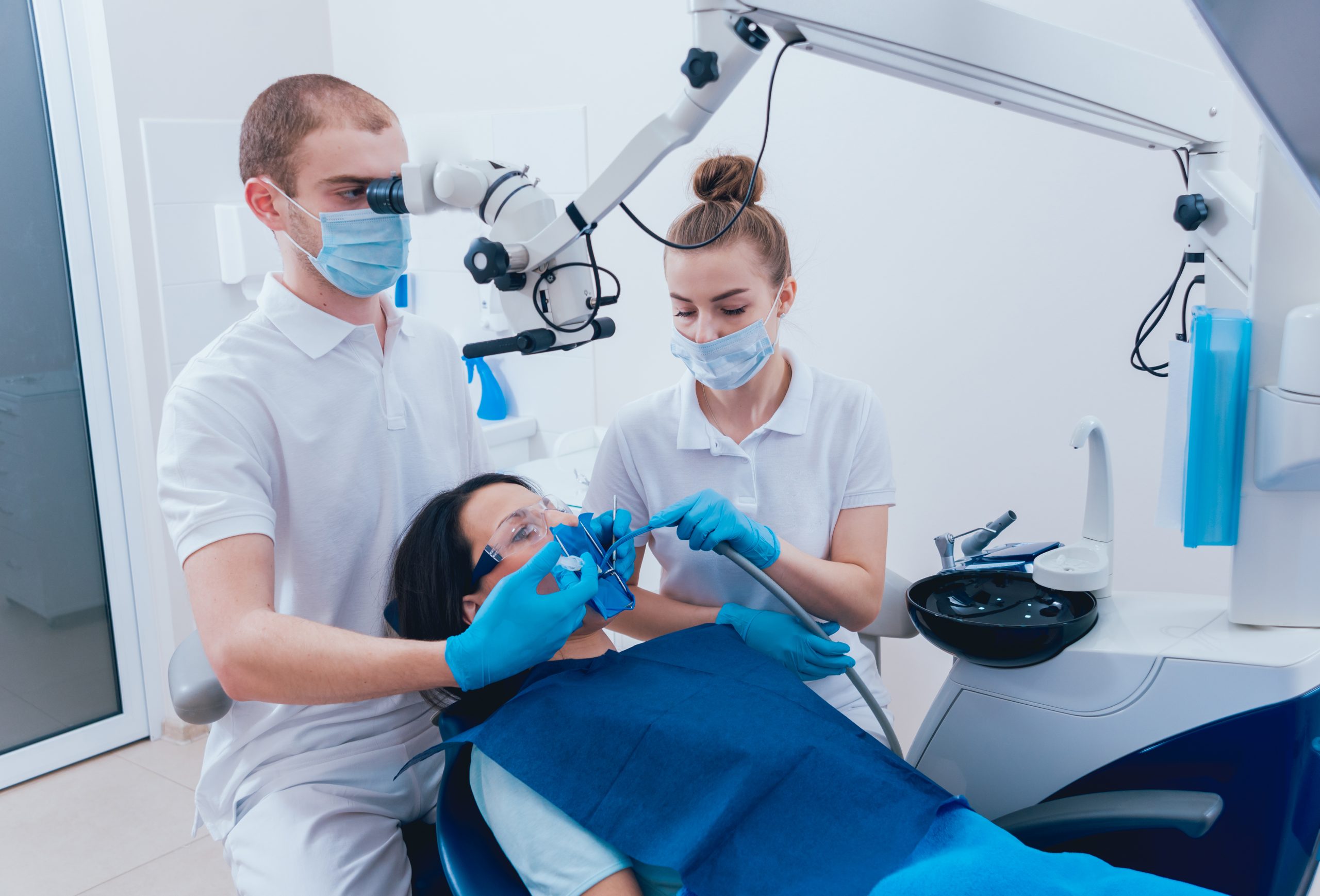
It’s not always clear if a patient’s injury is due to the dental work or something else. In this case study, a patient presents to a dentist with pain in her upper right central incisor. During root canal therapy, the endodontic file separates. The dentist refers the patient to an oral surgeon for an apicoectomy. Post-operation, the patient complains of chronic pain and is told to return for a follow up appointment. Instead, the patient sees a pain management physician who diagnoses trigeminal neuralgia and claims it is due to the dental work, despite lacking evidence. Later, the patient sues the dentist and surgeon for negligence.

Key Concepts

  • Multiple negligence claims against two defendants
  • Differentiating science and emotion in litigation 
  • Importance of solidarity between multiple defendant dentists

Background Facts

K, a basically healthy 58-year-old woman, presented to her general dentist of many years, Dr. J, having not seen him for 18 months, now complaining about recent and progressing pain in her upper right central incisor (tooth #8), which had been crowned since her early 30s. Dr. J examined K and found the tooth to be tender to percussion, with a sizeable, well-circumscribed periapical radiolucency. The tooth tested non-vital. Dr. J explained to his patient that she needed root canal therapy, which he could at least start that day, if not complete. K agreed to proceed.

With local anesthesia, Dr. J made routine access into the tooth and began to use endodontic files, all with a rubber dam in place. When he removed the second file in his progression, he noted that its end was missing about 4mm, so he presumed that the file had separated. A periapical film confirmed the suspicion that the tip of the file was lodged near the tooth’s apex, with half of its length projecting beyond the apex. Dr. J was very experienced performing endodontics, especially on anterior teeth, so he worked to try to remove the separated file, unsuccessfully.

After doing that for almost an hour, he explained to K what her options were in order to try to save the tooth: refer to an endodontist to complete the root canal therapy, or refer to an oral surgeon to perform an apicoectomy. Dr. J was of the view that an endodontist would not likely be more successful than he had been, and he was concerned about any compromises in the care, due to the large periapical lesion. K opted for the oral surgery route, and immediately went to the office of Dr. W, who had told Dr. J that she would perform the apico as soon as the patient arrived. Uneventfully, Dr. W added additional local anesthetic to the already-numb site, raised a semi-lunar buccal flap, and entered through the thin buccal plate to visualize and remove the apical 2-3mm of tooth and the partially extruded endodontic file, excising the lesion before placing a retrograde seal and suturing the site.

At K’s post-operative visit with Dr. W, the area was stated to have “chronic dull pain,” but it looked clinically stable, so the sutures were removed, with K given an appointment to return in a month if she continued to have any symptoms. Instead of following-up with either Dr. W or Dr. J, K presented to her primary care physician the next week, complaining of ever-increasing and severe pain. The PCP referred K to a pain management physician, who, after seeing K for several consecutive visits, made a diagnosis of trigeminal neuralgia because of her continued pain despite non-narcotic and then narcotic analgesics. The pain management doctor voiced that “it had to be the dental work” that caused this. K had a brain CT and MRA performed, which showed nothing abnormal, and began a course of a common anti-seizure medication – often also given for neuropathic pain – prescribed by the pain management practitioner. The symptoms never abated, and K even claimed that the constant pain worsened to the point that she could not concentrate enough to read a book, watch a movie, or drive a car.

Legal Action

Encouraged to do so by her family members and friends, K sought out an attorney whom she located on the internet as one “specializing in trigeminal neuralgia cases: if you have trigeminal neuralgia from poor dentistry, we can get you large sums of money.” After K’s first meeting with the attorney, the attorney brought suit on her behalf against Dr. J and Dr. W, alleging negligent treatment that directly led to trigeminal neuralgia. Of note is the fact that the sole physical injury claimed throughout the entire litigation was trigeminal neuralgia, and nothing about any other pain condition at all.

The usual course of discovery ensued, with the taking of depositions and the exchange of documents and expert reports. K’s pain management doctor would draw the causal connection between the dentistry and the trigeminal neuralgia – “it must have been the dentistry” – with her attorney’s dental and oral surgery experts claiming that Dr. J used improper and excessive pressure so as to negligently break the file, and Dr. W improperly elevated the buccal flap too high, thereby injuring the infraorbital nerve. Neither of the defendants was willing to entertain the possibility of settlement, both steadfast in their views that the treatment they had rendered was proper in all regards. Each exercised their malpractice policy consent provisions, directing the case to trial.

At trial, K testified to her constant pain, although she never spoke about any trigger that set off a period of increased pain, and she never testified to any sharp, stinging pain. The pain was dull, chronic and constant. The defendants’ dental and oral surgery experts, respectively, explained to the jury that Dr. J and Dr. W used appropriate standard technique at every step in their own procedures, including a discussion as to why and how files non-negligently separate, that the photos of the gingival scar showed the incision made was at the proper location, and that there were likely “dental fixes” to her claimed problems. But K never returned to either of them, depriving them – and K as well – of the opportunity to dentally work toward resolving her complaints.

Perhaps the most significant trial witness for the defendants was a university-based neurosurgeon who had published about trigeminal neuralgia and treated many such patients who came to him from across the country. His testimony was decisive: trigeminal neuralgia, he opined, is not caused by dentistry or any other peripheral act, but instead a result of an intracranial pulsating vessel in close proximity to a portion of the trigeminal nerve, which erodes away the nerve’s sheath, exposing the “wire” portion of the nerve and creating the equivalent of a “short circuit” that periodically creates sudden, short-lasting, and severe sharp pain. A diagnosis of trigeminal neuralgia was, according to the neurosurgeon, completely excluded in K because her non-triggered pain – which he did not dispute as being as described – is not at all what, “by definition,” exists in trigeminal neuralgia patients. Her normal intracranial radiologic studies provided conclusive objective evidence of the absence of the proximate nerve-vessel relationship that occurs in trigeminal neuralgia.

As the jury deliberated, the foreperson sent a note to the judge, asking whether they can consider pain other than from trigeminal neuralgia. The judge responded that, because trigeminal neuralgia was the only claimed injury, they could not. Shortly thereafter, the jury returned a general verdict in favor of both defendants.

Takeaways

Addressing the verdict first, a general verdict is one by which the jury simply concludes “for the plaintiff” or “for the defendant(s),” with no specificity. Special verdicts, on the other hand, require that jurors answer direct questions, such as “was the defendant negligent?,” and “did that negligence cause injury to the plaintiff?” The difference is jurisdictionally-specific. But in this case, it is certainly fair to hypothesize that, had other types of pain been pled, or had the judge allowed the jury to consider other types of pain besides trigeminal neuralgia, a verdict for the plaintiff seems at least likely.

This concept leads to two important points: (1) the particularity with which a plaintiff’s attorney pleads the case is critical to a case result; and (2) the defendants’ neurosurgery expert’s precise anatomic testimony, with the guidance of experienced defense counsel, demonstrated itself to be a far cry above and beyond K’s pain management doctor’s claim that “it must have been the dentistry,” implying a mere temporal relationship between the dentistry and the claimed symptoms. The value of well-credentialed experts, who can exhibit true proficiency, cannot be underestimated in the trial setting.

The defendants in this case practiced in different areas of dentistry, so the “sharing” of a single standard-of-care expert between them would be challenging at best, and disallowed in many jurisdictions. But the situation is different when it comes to experts who testify about questions of causation and/or injuries, so when possible and practical – which is far from a common occurrence – the presenting of a completely united front as between the defendants can send the jury a strong message, namely that there is no question that there can be only one way to interpret a certain set of issues.Trigeminal neuralgia is a devastating disease, and it is described that way in detail by plaintiffs’ attorneys, who claim, as in this case, that dentistry or oral surgery is the culprit in getting there. The internet is replete with large numbers of “trigeminal neuralgia attorneys,” many of whom advertise and argue that they will obtain large recoveries against dentists and oral surgeons, often times relying upon non-scientific claims that garner jury sympathy. Defense teams of attorneys and experts can prevail through approaches that place science above emotion, while still exhibiting empathy for patients who might legitimately experience pain. But there is a real difference between the pain of trigeminal neuralgia and nearly everything else, and that point is one of several which was driven home at this trial.

			WP_Query Object
(
    [query] => Array
        (
            [post_type] => post
            [showposts] => 3
            [post__not_in] => Array
                (
                    [0] => 9485
                )

            [post_status] => publish
            [has_password] => 
            [cat] => 1365
        )

    [query_vars] => Array
        (
            [post_type] => post
            [showposts] => 3
            [post__not_in] => Array
                (
                    [0] => 9485
                )

            [post_status] => publish
            [has_password] => 
            [cat] => 1365
            [error] => 
            [m] => 
            [p] => 0
            [post_parent] => 
            [subpost] => 
            [subpost_id] => 
            [attachment] => 
            [attachment_id] => 0
            [name] => 
            [pagename] => 
            [page_id] => 0
            [second] => 
            [minute] => 
            [hour] => 
            [day] => 0
            [monthnum] => 0
            [year] => 0
            [w] => 0
            [category_name] => practice-more-safely
            [tag] => 
            [tag_id] => 
            [author] => 
            [author_name] => 
            [feed] => 
            [tb] => 
            [paged] => 0
            [meta_key] => 
            [meta_value] => 
            [preview] => 
            [s] => 
            [sentence] => 
            [title] => 
            [fields] => all
            [menu_order] => 
            [embed] => 
            [category__in] => Array
                (
                )

            [category__not_in] => Array
                (
                )

            [category__and] => Array
                (
                )

            [post__in] => Array
                (
                )

            [post_name__in] => Array
                (
                )

            [tag__in] => Array
                (
                )

            [tag__not_in] => Array
                (
                )

            [tag__and] => Array
                (
                )

            [tag_slug__in] => Array
                (
                )

            [tag_slug__and] => Array
                (
                )

            [post_parent__in] => Array
                (
                )

            [post_parent__not_in] => Array
                (
                )

            [author__in] => Array
                (
                )

            [author__not_in] => Array
                (
                )

            [search_columns] => Array
                (
                )

            [ignore_sticky_posts] => 
            [suppress_filters] => 
            [cache_results] => 1
            [update_post_term_cache] => 1
            [update_menu_item_cache] => 
            [lazy_load_term_meta] => 1
            [update_post_meta_cache] => 1
            [posts_per_page] => 3
            [nopaging] => 
            [comments_per_page] => 50
            [no_found_rows] => 
            [order] => DESC
        )

    [tax_query] => WP_Tax_Query Object
        (
            [queries] => Array
                (
                    [0] => Array
                        (
                            [taxonomy] => category
                            [terms] => Array
                                (
                                    [0] => 1365
                                )

                            [field] => term_id
                            [operator] => IN
                            [include_children] => 1
                        )

                )

            [relation] => AND
            [table_aliases:protected] => Array
                (
                    [0] => wp_term_relationships
                )

            [queried_terms] => Array
                (
                    [category] => Array
                        (
                            [terms] => Array
                                (
                                    [0] => 1365
                                )

                            [field] => term_id
                        )

                )

            [primary_table] => wp_posts
            [primary_id_column] => ID
        )

    [meta_query] => WP_Meta_Query Object
        (
            [queries] => Array
                (
                )

            [relation] => 
            [meta_table] => 
            [meta_id_column] => 
            [primary_table] => 
            [primary_id_column] => 
            [table_aliases:protected] => Array
                (
                )

            [clauses:protected] => Array
                (
                )

            [has_or_relation:protected] => 
        )

    [date_query] => 
    [request] => SELECT SQL_CALC_FOUND_ROWS  wp_posts.ID
					 FROM wp_posts  LEFT JOIN wp_term_relationships ON (wp_posts.ID = wp_term_relationships.object_id)
					 WHERE 1=1  AND wp_posts.ID NOT IN (9485) AND ( 
  wp_term_relationships.term_taxonomy_id IN (11)
) AND wp_posts.post_password = '' AND wp_posts.post_type = 'post' AND ((wp_posts.post_status = 'publish'))
					 GROUP BY wp_posts.ID
					 ORDER BY wp_posts.post_date DESC
					 LIMIT 0, 3
    [posts] => Array
        (
            [0] => WP_Post Object
                (
                    [ID] => 10262
                    [post_author] => 180159417
                    [post_date] => 2026-02-19 02:56:58
                    [post_date_gmt] => 2026-02-19 07:56:58
                    [post_content] => 


A fulfilling dental career is powered by passion. In this article, Dr. Shafa Nathani, a member of MedPro Group’s Dental Advisory Board, offers insight on staying motivated and shaping a career that you’re passionate about.

Key Concepts

  • Job satisfaction and preventing burnout
  • Continuing education for dentists
  • Mental health and work-life balance

Cultivating your passion as a dentist can boost your job satisfaction throughout your career. When you genuinely enjoy what you do, it's easier to feel fulfilled and eager to come to work each day. Maintaining enthusiasm at work also helps keep you motivated, especially during difficult periods.

In addition, your passion for your dental career can trickle down into your care. Your upbeat demeanor can be contagious, helping to build trust and a sense of safety with your patients. This often leads to fewer appointment cancellations and a stronger commitment from your patients to stick to their treatment plans.

Building a dental career you love begins with securing reliable dental malpractice insurance – so you can practice safely and confidently with protection against potential malpractice claims. With trusted coverage from industry leader MedPro Group, you’ll get the peace of mind you need to deliver the best care to your patients and focus on fostering a fulfilling career.

Read this article for tips on how to choose the right dental malpractice insurance policy.

Q&A with a MedPro Group Dental Advisory Board Member

We interviewed Dr. Shafa Nathani, DMD, a member of MedPro’s Dental Advisory Board, to learn how she maintains her enthusiasm for her practice.

What’s your favorite part about working with patients?

"Every patient who sits in my chair comes with a story, and that’s something I never take for granted. On most days, the office is busy and fast-paced, and I may only get a few moments with each patient. Still, those moments often carry the most meaning. Whether it’s meeting a new patient for the first time, delivering complete dentures to someone we’ve been caring for over months or years, or seeing a recall patient after a long gap and catching up on their life, those brief connections matter deeply to me. Outside of the technical side of dentistry, it’s these human moments that ground me. After a day that feels like a total blur, they remind me why I chose this profession in the first place and how privileged I am to be trusted with someone’s care, comfort, and confidence.”

How do you prevent burnout as a dentist?

"I’m a little over a year into my career, and I’m currently in a phase of saying ‘yes’ as much as possible, working hard to gain experience and take full advantage of the momentum from dental school. While that growth has been exciting, it also comes with physical and mental challenges.” 

“There are days when my back aches, the mental load of running a busy office feels overwhelming, and the idea of taking time off sounds incredibly appealing. Early on, my routine after work was to go straight home, sit on the couch, and try to decompress. However, I quickly realized that I was still waking up tired and feeling like my life revolved entirely around work.”

“Making intentional changes helped shift that mindset. I joined a yoga studio, spent time at the library, and found ways to stay mentally and physically engaged outside of dentistry. Even though I was still tired, I felt fulfilled. That sense of balance has been essential in preventing burnout and helping me remain enthusiastic, motivated, and present for my patients."

Learn more about recognizing and preventing burnout in this article.

Can you share a pivotal moment that reaffirmed your passion for dentistry?

"Within my first month of practicing as a dentist, I treated an older patient whose upper bridge and partial had completely failed. He required full-mouth extractions, but financial limitations prevented him from receiving care from an oral surgeon. I wanted to help him, but I also questioned whether I was capable of managing a case of that complexity so early in my career.” 

“I reached out to a mentor who guided me step by step through the surgical process and denture delivery. While he was incredibly grateful for the care, that wasn’t the moment that truly reaffirmed my passion for dentistry. It was everything that followed. Over the next year, I saw him regularly for adjustments and follow-up exams, and during those visits we shared life updates and built a genuine connection. On my last day at that office, we tearfully said goodbye, and he offered me his blessings.”

“That moment reminded me that dentistry is about far more than procedures. It’s about relationships, trust, and long-term impact. He will be attending my wedding later this fall, a testament to how meaningful patient relationships can become."

How important is continuing education to staying passionate about your career?

"Continuing education is incredibly important to me, both professionally and personally. Dental school provides a strong foundation, but it can’t possibly cover everything. Depending on how you want to practice, CE can help shape you into a well-rounded dentist or allow you to focus deeply on a specific niche. I identify strongly with being a well-rounded practitioner.” 

“I’ve discovered countless resources and taken courses that reignite my excitement for learning and push me to try new techniques that lead to better clinical outcomes and smoother recovery for patients. Dentistry is constantly evolving, and staying current isn’t optional, it’s a responsibility. Engaging in CE keeps me challenged, curious, and inspired, which directly translates into better patient care."

How do you stay connected to the dental community? How does that affect your passion for your work?

“Having a supportive dental community is vital to my success and longevity in this profession. I’m incredibly grateful for the friendships I formed in dental school. We often joke that between all of us, we somehow cover every time zone in the country. Even though we aren’t geographically close, those friends are the first people I reach out to because they truly understand the challenges, pressures, and victories that come with dentistry. It’s a judgment free space where I can ask questions, vent, or celebrate wins.” 

“Additionally, my current role allows me to work within a DSO alongside a strong group of dentists. Through monthly calls and in person collaboration, we’ve built relationships rooted in mutual support and shared growth. This community has been essential in keeping my passion for dentistry alive because I never feel isolated. Instead, I feel supported, encouraged, and reminded that I’m part of something much bigger than myself.”

Passion starts with security 

You're passionate about your patients. We're passionate about protecting your good name. With over a century of dental malpractice expertise, we'll protect your practice so you can focus on building a career you love.

To learn more, contact our team or get a quote today.

[post_title] => How to Stay Passionate in Your Dental Career [post_excerpt] => [post_status] => publish [comment_status] => closed [ping_status] => closed [post_password] => [post_name] => how-to-stay-passionate-in-your-dental-career [to_ping] => [pinged] => [post_modified] => 2026-02-25 08:18:48 [post_modified_gmt] => 2026-02-25 13:18:48 [post_content_filtered] => [post_parent] => 0 [guid] => https://medprodental.com/?p=10262 [menu_order] => 0 [post_type] => post [post_mime_type] => [comment_count] => 0 [filter] => raw ) [1] => WP_Post Object ( [ID] => 10240 [post_author] => 180159417 [post_date] => 2026-02-06 00:46:10 [post_date_gmt] => 2026-02-06 05:46:10 [post_content] =>

In this case study, dentists learn how an implant placement evolved into a malpractice lawsuit after the patient developed persistent postoperative nerve injury symptoms. The case demonstrates how clinical choices made at the planning stage can significantly influence the legal trajectory of a case.

Key Concepts

  • Understanding divergent opinions between experts
  • Determining standard of care for different radiographic techniques
  • Understanding the pure consent to settle clause

Background Facts

Dr. P practiced restorative dentistry in a suburban community, since her completion of dental school and a general practice residency. During her formal training and after, she engaged in didactic and clinical coursework involving implant placement and restoration and regularly recommended and employed dental implants in her treatment plans. That was the case when a new area resident, O, a healthy man in his 40s, presented for general care and consideration for replacing missing tooth #30, which was extracted years ago following a trauma-induced fracture.

O's mouth was in generally good repair, as he practiced good home hygiene and had been a regular dental patient for his entire adult life. Dr. P discussed the replacement options of a 3-unit fixed bridge and an endosseous implant, upon which a single crown would be placed. After taking and viewing a panoramic radiograph, Dr. P advised O that he had "plenty of bone" to support an implant, and she suggested that approach. The costs were similar, so O opted for the implant plan. Dr. P advised O of the usual risks of implant surgery, including a nerve injury which could even be permanent in "rare" situations. O agreed to go forward and set up an appointment within the next few weeks.

At the surgical visit, a chairside assistant presented O with a document entitled Implant Consent Form, telling O that this was exactly what Dr. P had discussed with him. O quickly perused the form and signed it. Based upon measurements she made on the panoramic film, Dr. P determined there to be 14.5 mm of mandibular bone superior to the inferior alveolar canal (IAC), so she planned for and placed a 13 mm fixture. Upon elevating a gingival flap, Dr. P noticed that the lingual height of bone was "a good deal" higher than on the buccal aspect. Other than O briefly wincing toward the end of the preparation phase, all went smoothly, with the implant covered with soft tissue and sutured. A post-placement periapical radiograph showed the implant in very close approximation to the IAC, but Dr. P saw "daylight," so she was not concerned.

One week later, at the suture removal visit, O complained of "pins and needles" and "numbness" on the right side of his lower lip and chin. Dr. P stated that she remained "unconcerned," explaining that this is common and all should be back to normal over the next weeks or months. O returned for crown placement 5 months after implant surgery, still with the same "annoying sensations." Dr. P was surprised that the situation had not normalized, but she continued to reassure O of a return to normal. That never came.

Legal Action

O always found the tingling and numbness to be uncomfortable, but he never thought to do anything about it until he met up with a college classmate of his, now an attorney, at an alumni event. The classmate did not practice law where O now lived but suggested that he consult with an attorney he knew who did "a lot of malpractice work." O met with that lawyer, who gathered all of Dr. P's records and sent O to a local neurologist to assess the extent of the injury. The neurologist confirmed that O's mandibular nerve was in fact injured and did not conceive of any improvement, now nearly two years after the surgical event.

O's attorney contacted an experienced dentist whom he knew, who had testified in dental malpractice cases in the past, and who, like Dr. P, regularly placed and restored implants, seeking to retain that dentist as an expert on behalf of O. Following a review of the records, the expert reported back to the attorney that, in his opinion, Dr. P had deviated from the standard of care, which in the expert's view required the use of CBCT radiography in order to accurately determine available bone for implant placement. The expert cited specifically to Dr. P's intraoperative finding of a sloped mandibular crest, which could not have been determined on the 2-D panoramic but would have been seen on a 3-D CBCT, had one been taken. The expert added to that opinion the concept that, once Dr. P noted that lingual-to-buccal slope, she should have immediately stepped back and reconsidered whether the planned-for 13 mm implant was appropriate, which it ended up not being, as the measurement was based upon the highest point of the crest, rather than lower points on that slope which were closer to the IAC.

The attorney quickly filed suit against Dr. P, as the statute of limitations was approaching. Dr. P contacted her professional liability carrier, which assigned defense counsel to Dr. P. O's attorney voluntarily shared his expert's report with defense counsel, hoping to demonstrate a strong basis for an early settlement. However, defense counsel retained its own expert, who opined that the standard of care allowed for 2-D panoramic films for the purpose of implant planning, although acknowledging a deep split within the dental profession. Some dentists and organized dental groups asserted that (exactly because of anatomic situations as Dr. P found) 3-D studies were required prior to posterior mandibular implant placement, with other dentists and dental groups agreeing with this defense expert's stance. In part, the latter view is supported by the statistical fact that, according to recent assessments, only 29% of U.S. general/restorative dentists have on-site CBCT availability, with less than 2/3 of dental specialists having such access.

Defense counsel recognized that a motion for summary judgment––one seeking dismissal of the case without trial––would not be fruitful because such a motion can only be successful when, among other things, there is no legitimate difference between opposing expert opinions.  Therefore, defense counsel thoroughly presented Dr. P with her options: (1) go to trial and ask a jury to determine whether she had run afoul of the standard of care, allowing them to award money to compensate O for his injuries if they determined that she did not meet the standard of care, and if that was causative of his injuries; or (2) trying to reach a pre-trial settlement, presuming that the carrier agreed with that prospect, which it did.

Dr. P frankly said to her attorney that, in multiple continuing education classes she had taken, the need for pre-implant CBCT studies was discussed, for the very reasons highlighted in O's treatment. She further acknowledged that she would have to testify to that experience if asked at trial. Dr. P was concerned, so she authorized attempts to resolve the case. Because O's injuries were viewed, even by his own lawyer, as not severe, evidenced in part by O having never sought subsequent evaluations or care other than at the direction of his attorney, a modest settlement was reached.

Takeaways

It is the rule, and not the exception, that experts for plaintiffs and defendants will disagree, and that is also the case for dentists, outside of the litigation realm. Those disagreements take center stage during dental malpractice trials, with jurors left to determine which of the opposing positions they accept. As Dr. P reasoned here, it is rarely, if ever, simply a coin flip, because a host of factors play into jury determinations, so the pre-trial "prediction calculus" takes into account a common sense approach as to how lay people will most likely come to their conclusions on matters of science and professional expertise. Sometimes demeanors of the parties and/or experts carry the day. Sometimes the bases of expert opinions are determinative, and sometimes, as might play here, particular professional experiences in the dentist's past are of significance. While legitimate (not fabricated) differences of expert conclusions generally preclude dismissal before trial by way of motions, those differences will need to be resolved by a trial jury. There is no getting around that.

This case study briefly touches on the concept of statute of limitations (SOL), so a short description is in order. The SOL is the time following a claimed negligent event (or sometimes the subsequent discovery of that event) within which a plaintiff must file suit or be forever time-barred. Of course, as with so many issues in the law, there are nuances and issues which can serve to lengthen the allowable timeframe, but they are exceptions, with the statutory SOL generally being the bedrock. The concept of SOL is perhaps the most variable legal issue as between the States––or at least close to the top of the list––but it is a consideration for attorneys (or self-represented plaintiffs) to grapple with, and not something with which dentists need to familiarize themselves.

As the body of this case study references, divergent views exist within dentistry as to what radiographic techniques are "best" for various planned procedures or diagnostic approaches, which in the litigation arena often translates to opinions as to standard of care. Articles in respected journals present competing ideas. Some take the approach that dentists are in the most ideal position to make patient-based, procedure-based, and circumstance-based decisions as to which radiographic techniques––whether CBCT, panoramic, periapical, etc.––are most appropriate clinically. Others are more rigid, asserting, for example, that nearly all invasive dental/oral surgical procedures require CBCT studies in advance. While we do not advocate here in either direction, dentists and oral surgeons ought to be aware of these opposing schools of thought and consider them in decision-making, realizing that jurors might get the final say.

We end on a note about the decision faced by Dr. P. Given that she had a "consent-to-settle" policy, it was her right to refuse any type of settlement, regardless of the input or advice of her counsel or insurer. Had she not had such a policy, that decision would not have been hers to make. This is yet another issue for dentists to consider when choosing a malpractice carrier and policy.

[post_title] => Dentist’s Choice of Radiographic Technique Leads to Lawsuit [post_excerpt] => [post_status] => publish [comment_status] => closed [ping_status] => closed [post_password] => [post_name] => dentists-choice-of-radiographic-technique-leads-to-lawsuit [to_ping] => [pinged] => [post_modified] => 2026-02-27 13:15:50 [post_modified_gmt] => 2026-02-27 18:15:50 [post_content_filtered] => [post_parent] => 0 [guid] => https://medprodental.com/?p=10240 [menu_order] => 0 [post_type] => post [post_mime_type] => [comment_count] => 0 [filter] => raw ) [2] => WP_Post Object ( [ID] => 10195 [post_author] => 180159417 [post_date] => 2026-01-09 04:03:29 [post_date_gmt] => 2026-01-09 09:03:29 [post_content] =>

In this case study, dentists will discover how a rushed procedure, antibiotic selection, and non-clinical staff advice led to a malpractice lawsuit and patient harm. This article highlights the importance of informed consent, careful risk management, and keeping patient communications strictly professional.

Key Concepts

  • Antibiotic risks and complications in dental care
  • Non-clinical staff-patient communication
  • Patient choice vs. the standard of care

Underlying facts

D, a 26-year-old man, presented to an endodontist, Dr. Q, on referral of his family dentist, some 6-7 years following his having been struck in the face by a batted baseball. Over the past few months, tooth #8 had begun to darken and become episodically painful. Approximately a week prior to this visit, D developed a pea-sized swelling in the gingiva at the level of the tooth's apex. Radiographically, a periapical radiolucency on #8 was visible, and the tooth was non-vital. The endodontist suggested endodontic therapy, to which the patient agreed.

Upon entry into the pulp chamber, yellow, foul-smelling purulent discharge exuded through the tooth; the apical swelling immediately reduced in size. The tooth was thoroughly irrigated internally until no pus was visible. Because D was soon going out of town for work for several weeks, he asked the endodontist if she could "just finish it up" that same day, rather than returning a week later as Dr. Q had suggested. Dr. Q acceded. After the filing was completed, obturation with gutta percha was performed by Dr. Q, with the apical extent approximately 1mm short of the radiographic apex. NSAIDs were recommended as needed.

Two days later, D called the office and told the receptionist that he had a sudden increase in swelling and a low-grade fever; the receptionist reassured the patient by saying, "we see this all the time so it's nothing to worry about," without having consulted with Dr. Q. Three days after that, while still traveling and with the swelling now approaching the eye, D called the endodontist after hours and spoke directly with her; the patient reported an allergy to Penicillin, so Dr. Q called in a prescription for Clindamycin, which the patient started that same evening.

Now nine days after the initial treatment, the patient again called the office and spoke with Dr. Q, advising her that his facial swelling was much reduced and getting better continually, but he had spasmodic diarrhea; the endodontist told her patient that, as long as the dental symptoms were improving, which they were, he should continue and finish out the antibiotic and take over-the-counter anti-diarrheal medications. The patient did exactly that but ended up in a hospital emergency room a few days later for worsening and uncontrollable diarrhea with severe GI pain, where he was diagnosed with Clindamycin-induced pseudomembranous colitis. He was admitted for IV fluids/antibiotics and supportive care; he was monitored for a potential peritonitis, which never came to pass, and was discharged home after losing seven pounds. D was unable to secure the sales deal he had traveled for, as he was hospitalized during several scheduled meetings; the potential client made the transaction with another vendor.

Legal action

In addition to the physical upheaval that he had experienced, and the medical and hospital bills which were only partially covered by his insurance plan, D was mostly distressed by the fact that he had lost the opportunity for a large sale that he believed would have positioned him for an early-career promotion, with its associated salary increase. He sought out and retained an attorney.

The newly hired attorney forwarded the dental and medical records to two potential experts, an endodontist and a medical infectious diseases specialist. The endodontist was of the views: that under the existing conditions, the root canal treatment should not have been completed in one visit, but acknowledged that this was a judgment call such that other practitioners might well disagree; that if Dr. Q did agree to complete the procedure in one step, as she did, the prescribing of antibiotics at that time would have been preferred, but again recognized that some other endodontists would not agree; that Dr. Q's providing Clindamycin in the face of a potential Penicillin allergy, in a patient with a worsening infection and unable to be seen clinically, was an acceptable choice, although it was unclear whether Dr. Q adequately discussed the possible GI risks with D; and that the office receptionist was clearly and inappropriately acting beyond her non-professional status in providing the advice that she gave.

The medical expert confirmed that it was clearly the Clindamycin that was responsible for all of the GI symptoms experienced by D, as well as the hospital care that followed, and that the 3-day delay (and worsening infection) created by the receptionist's advice deprived both D and Dr. Q of the opportunity to have an antibiotic with less severe side effects than Clindamycin to have been used.

D's attorney opted for a simple litigation approach. On behalf of D, he filed suit against Dr. Q's practice entity – but not Dr. Q – based upon what the attorney viewed as strong arguments on both the liability and causation fronts as to the practice, with only "judgment call" issues available against Dr. Q. The damages claimed were the GI-based pain and suffering, the unpaid medical costs, the monetary values of the "lost" sale and the "loss" of salary increase. Given that Dr. Q's practice entity was covered for malpractice, the carrier provided defense counsel to put forth a defense for the practice, working with Dr. Q for that purpose, although not defending her personally.

After depositions were taken, the defense attorney applied to the Court to have the values of the lost sale and potential salary excluded from any potential damages able to be recovered. The Court agreed, determining those amounts to be entirely speculative, in that even if D would have had the chance to attend the meetings he missed, those were merely "opportunities,” so there is no way to prove that he would have been successful in his endeavor. The other claims in the case remained. Realizing the pitfalls of trying to defend the actions of the receptionist, Dr. Q and the practice's attorney, with the agreement of the carrier, worked toward and completed a settlement on behalf of the practice, for an amount which took care of expenses and physical pain and suffering, with no permanent after-effects, at a far lower value than had lost earnings been included.

Takeaways

In essence, D's expert endodontist determined that all of the actions taken by Dr. Q – the one-visit RCT, the non-prescribing of antibiotics at that time, and the choice of Clindamycin – were judgment calls, subject to opinions as to appropriateness on both sides of the fence, thereby leading D's attorney to refrain from pursuing those claims. [We note here that not all attorneys for plaintiffs would approach this in the same way.] Instead, the lawsuit was focused on what D's attorney viewed as a sole "winning argument," which was in fact the result. To reiterate a concept discussed in prior case studies, the general principle is that a plaintiff must prove through expert testimony that – with a general standard of "more likely than not" – a defendant dentist departed from good and accepted practice standards, thereby directly causing injury to the patient. For all issues except for the receptionist's involvement, the endodontist expert for D did not adequately meet that hurdle, at least in the eyes of D's attorney; the medical expert causally connected the receptionist's actions with the injuries to D.

There has been and continues to be controversy in the dental community regarding the use of Clindamycin. While its potentially severe side effects are well-publicized, it has therapeutic benefits as well: the classic double-edged sword. We do not comment upon the propriety of a given practitioner's choice to prescribe it in a particular situation, but just as with all choices, they are best made with a sound and deliberative thought process, so that a defense can be meaningfully put forward if untoward results come to pass.

As a side thought, we visit the issue of a case settling as against a practice entity versus the dentist him/herself; if such a potential ever exists during a malpractice case management, it is something to be coordinated between the dentist, liability carrier, and defense counsel. As a general rule, although potentially with exceptions, payments for professional liability against individual practitioners are reportable to national – and sometimes state – data banks and authorities, whereas those against an entity, as here, are not. To be clear, it is never a given that case resolutions of the type done here can always be made; to the contrary, it is not very common in the world of dental malpractice, with carriers constrained to do so only after an assessment that no specific provider bore any liability. But none of this negates the importance of dental practitioners assuring that dental/medical advice to patients must only be given by dental professionals, leaving only administrative tasks to non-professional staff members.

We end with a brief discussion about dentists acceding to performing procedures that patients "demand," even when those dentists do not believe that doing so is in those patients' best interests. Yes, patients have an absolute right to decide which of multiple alternatives they wish to pursue, but only if those alternatives are dentally and/or medically viable. Patients can refuse anything, but they should not dictate what a dentist must do.

[post_title] => Clindamycin Side Effects Lead to Dental Malpractice Lawsuit [post_excerpt] => [post_status] => publish [comment_status] => closed [ping_status] => closed [post_password] => [post_name] => clindamycin-side-effects-lead-to-dental-malpractice-lawsuit [to_ping] => [pinged] => [post_modified] => 2026-01-16 13:00:09 [post_modified_gmt] => 2026-01-16 18:00:09 [post_content_filtered] => [post_parent] => 0 [guid] => https://medprodental.com/?p=10195 [menu_order] => 0 [post_type] => post [post_mime_type] => [comment_count] => 0 [filter] => raw ) ) [post_count] => 3 [current_post] => -1 [before_loop] => 1 [in_the_loop] => [post] => WP_Post Object ( [ID] => 10262 [post_author] => 180159417 [post_date] => 2026-02-19 02:56:58 [post_date_gmt] => 2026-02-19 07:56:58 [post_content] =>

A fulfilling dental career is powered by passion. In this article, Dr. Shafa Nathani, a member of MedPro Group’s Dental Advisory Board, offers insight on staying motivated and shaping a career that you’re passionate about.

Key Concepts

  • Job satisfaction and preventing burnout
  • Continuing education for dentists
  • Mental health and work-life balance

Cultivating your passion as a dentist can boost your job satisfaction throughout your career. When you genuinely enjoy what you do, it's easier to feel fulfilled and eager to come to work each day. Maintaining enthusiasm at work also helps keep you motivated, especially during difficult periods.

In addition, your passion for your dental career can trickle down into your care. Your upbeat demeanor can be contagious, helping to build trust and a sense of safety with your patients. This often leads to fewer appointment cancellations and a stronger commitment from your patients to stick to their treatment plans.

Building a dental career you love begins with securing reliable dental malpractice insurance – so you can practice safely and confidently with protection against potential malpractice claims. With trusted coverage from industry leader MedPro Group, you’ll get the peace of mind you need to deliver the best care to your patients and focus on fostering a fulfilling career.

Read this article for tips on how to choose the right dental malpractice insurance policy.

Q&A with a MedPro Group Dental Advisory Board Member

We interviewed Dr. Shafa Nathani, DMD, a member of MedPro’s Dental Advisory Board, to learn how she maintains her enthusiasm for her practice.

What’s your favorite part about working with patients?

"Every patient who sits in my chair comes with a story, and that’s something I never take for granted. On most days, the office is busy and fast-paced, and I may only get a few moments with each patient. Still, those moments often carry the most meaning. Whether it’s meeting a new patient for the first time, delivering complete dentures to someone we’ve been caring for over months or years, or seeing a recall patient after a long gap and catching up on their life, those brief connections matter deeply to me. Outside of the technical side of dentistry, it’s these human moments that ground me. After a day that feels like a total blur, they remind me why I chose this profession in the first place and how privileged I am to be trusted with someone’s care, comfort, and confidence.”

How do you prevent burnout as a dentist?

"I’m a little over a year into my career, and I’m currently in a phase of saying ‘yes’ as much as possible, working hard to gain experience and take full advantage of the momentum from dental school. While that growth has been exciting, it also comes with physical and mental challenges.” 

“There are days when my back aches, the mental load of running a busy office feels overwhelming, and the idea of taking time off sounds incredibly appealing. Early on, my routine after work was to go straight home, sit on the couch, and try to decompress. However, I quickly realized that I was still waking up tired and feeling like my life revolved entirely around work.”

“Making intentional changes helped shift that mindset. I joined a yoga studio, spent time at the library, and found ways to stay mentally and physically engaged outside of dentistry. Even though I was still tired, I felt fulfilled. That sense of balance has been essential in preventing burnout and helping me remain enthusiastic, motivated, and present for my patients."

Learn more about recognizing and preventing burnout in this article.

Can you share a pivotal moment that reaffirmed your passion for dentistry?

"Within my first month of practicing as a dentist, I treated an older patient whose upper bridge and partial had completely failed. He required full-mouth extractions, but financial limitations prevented him from receiving care from an oral surgeon. I wanted to help him, but I also questioned whether I was capable of managing a case of that complexity so early in my career.” 

“I reached out to a mentor who guided me step by step through the surgical process and denture delivery. While he was incredibly grateful for the care, that wasn’t the moment that truly reaffirmed my passion for dentistry. It was everything that followed. Over the next year, I saw him regularly for adjustments and follow-up exams, and during those visits we shared life updates and built a genuine connection. On my last day at that office, we tearfully said goodbye, and he offered me his blessings.”

“That moment reminded me that dentistry is about far more than procedures. It’s about relationships, trust, and long-term impact. He will be attending my wedding later this fall, a testament to how meaningful patient relationships can become."

How important is continuing education to staying passionate about your career?

"Continuing education is incredibly important to me, both professionally and personally. Dental school provides a strong foundation, but it can’t possibly cover everything. Depending on how you want to practice, CE can help shape you into a well-rounded dentist or allow you to focus deeply on a specific niche. I identify strongly with being a well-rounded practitioner.” 

“I’ve discovered countless resources and taken courses that reignite my excitement for learning and push me to try new techniques that lead to better clinical outcomes and smoother recovery for patients. Dentistry is constantly evolving, and staying current isn’t optional, it’s a responsibility. Engaging in CE keeps me challenged, curious, and inspired, which directly translates into better patient care."

How do you stay connected to the dental community? How does that affect your passion for your work?

“Having a supportive dental community is vital to my success and longevity in this profession. I’m incredibly grateful for the friendships I formed in dental school. We often joke that between all of us, we somehow cover every time zone in the country. Even though we aren’t geographically close, those friends are the first people I reach out to because they truly understand the challenges, pressures, and victories that come with dentistry. It’s a judgment free space where I can ask questions, vent, or celebrate wins.” 

“Additionally, my current role allows me to work within a DSO alongside a strong group of dentists. Through monthly calls and in person collaboration, we’ve built relationships rooted in mutual support and shared growth. This community has been essential in keeping my passion for dentistry alive because I never feel isolated. Instead, I feel supported, encouraged, and reminded that I’m part of something much bigger than myself.”

Passion starts with security 

You're passionate about your patients. We're passionate about protecting your good name. With over a century of dental malpractice expertise, we'll protect your practice so you can focus on building a career you love.

To learn more, contact our team or get a quote today.

[post_title] => How to Stay Passionate in Your Dental Career [post_excerpt] => [post_status] => publish [comment_status] => closed [ping_status] => closed [post_password] => [post_name] => how-to-stay-passionate-in-your-dental-career [to_ping] => [pinged] => [post_modified] => 2026-02-25 08:18:48 [post_modified_gmt] => 2026-02-25 13:18:48 [post_content_filtered] => [post_parent] => 0 [guid] => https://medprodental.com/?p=10262 [menu_order] => 0 [post_type] => post [post_mime_type] => [comment_count] => 0 [filter] => raw ) [comment_count] => 0 [current_comment] => -1 [found_posts] => 77 [max_num_pages] => 26 [max_num_comment_pages] => 0 [is_single] => [is_preview] => [is_page] => [is_archive] => 1 [is_date] => [is_year] => [is_month] => [is_day] => [is_time] => [is_author] => [is_category] => 1 [is_tag] => [is_tax] => [is_search] => [is_feed] => [is_comment_feed] => [is_trackback] => [is_home] => [is_privacy_policy] => [is_404] => [is_embed] => [is_paged] => [is_admin] => [is_attachment] => [is_singular] => [is_robots] => [is_favicon] => [is_posts_page] => [is_post_type_archive] => [query_vars_hash:WP_Query:private] => 5a58c2985614450a5fb381fe3b6fdef1 [query_vars_changed:WP_Query:private] => [thumbnails_cached] => [allow_query_attachment_by_filename:protected] => [stopwords:WP_Query:private] => [compat_fields:WP_Query:private] => Array ( [0] => query_vars_hash [1] => query_vars_changed ) [compat_methods:WP_Query:private] => Array ( [0] => init_query_flags [1] => parse_tax_query ) [query_cache_key:WP_Query:private] => wp_query:02d0dc2e7f8df049889860c2f4719a92 )

Additional Risk Tips content

Insights on sustaining passion in a dental career through education, community support, work-life balance, and meaningful patient relationships.

In this case study, radiographic imaging decisions for a dental implant procedure leads to a malpractice suit. Read the case to learn how the case unfolded.

A dental malpractice case reveals the risks of clindamycin, informed consent gaps, and the impact of non-clinical staff advice on patient safety.

This document does not constitute legal or medical advice and should not be construed as rules or establishing a standard of care. Because the facts applicable to your situation may vary, or the laws applicable in your jurisdiction may differ, please contact your attorney or other professional advisors if you have any questions related to your legal or medical obligations or rights, state or federal laws, contract interpretation, or other legal questions.

MedPro Group is the marketing name used to refer to the insurance operations of The Medical Protective Company, Princeton Insurance Company, PLICO, Inc. and MedPro RRG Risk Retention Group. All insurance products are underwritten and administered by these and other Berkshire Hathaway affiliates, including National Fire & Marine Insurance Company. Product availability is based upon business and/or regulatory approval and/or may differ among companies.

© MedPro Group Inc. All rights reserved.