A Fatal Sedation Outcome Leads to Dental Board Sanctions
Marc Leffler, DDS, Esq.
October 30, 2026
Reading time: 7 minutes
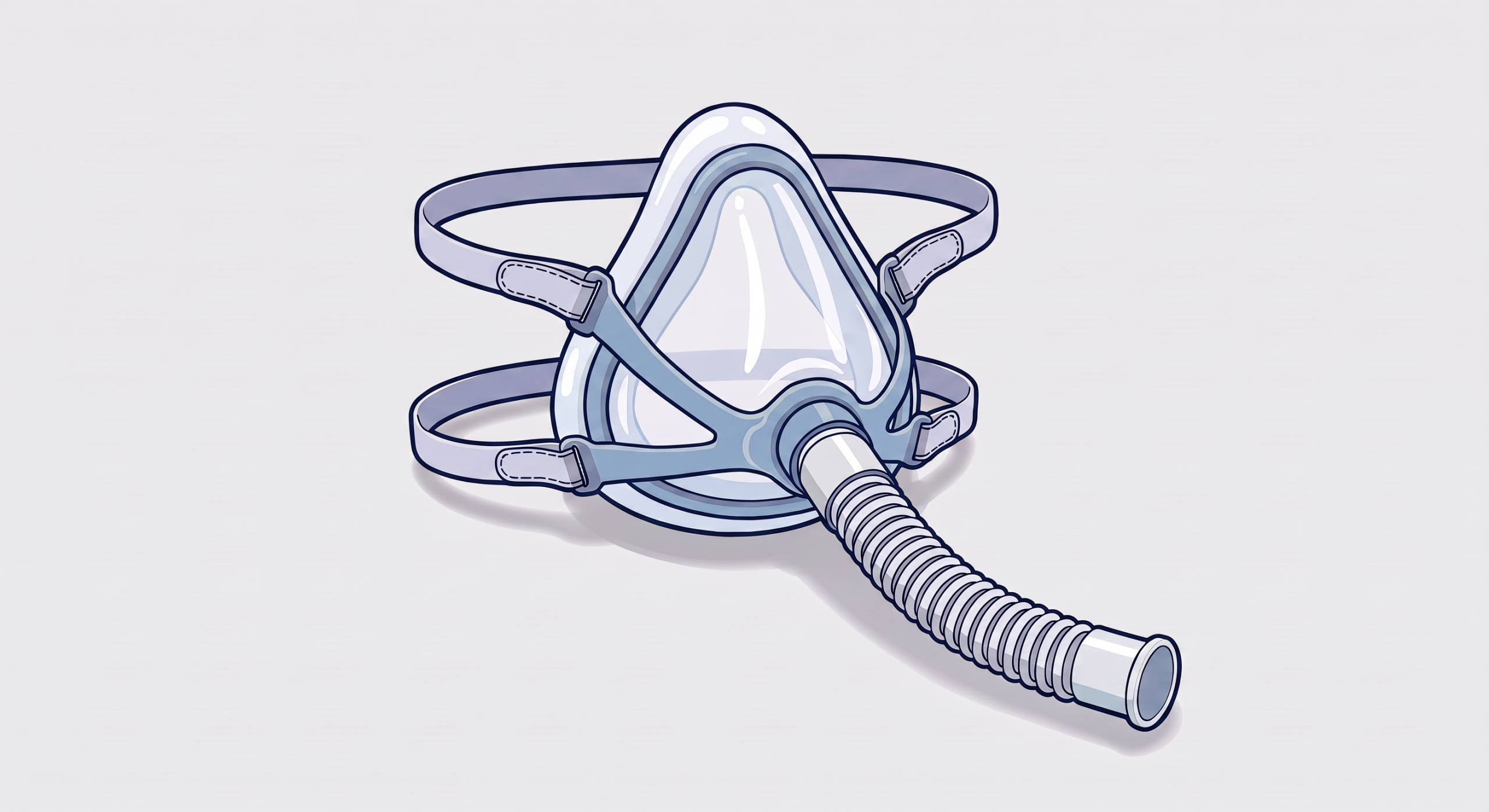
A high-risk patient’s request for sedation during an office-based procedure ended in a fatal outcome — and malpractice claims against multiple providers. Learn why proper patient selection, thorough medical assessment, and a safe treatment environment are essential when providing office-based sedation.
Key concepts
- Patient dies after office-based sedation
- When medical risk factors make treatment unsafe
- How communication and preparation breakdowns can lead to risk
Background facts
P was a 59-year-old bus dispatcher who was a long-time patient of Dr. C, a restorative dentist. He had lost many teeth throughout the years, leaving him edentulous on the upper and partially so on the lower. The maxillary full denture was uncomfortable and, quite frankly, embarrassing due to its regularly falling out while eating, while the mandibular partial denture was satisfactory for P. Dr. C wondered aloud at a recall visit whether P might be interested in having an all-on-4 implant/fixed prosthesis to solve his dissatisfaction. P’s response was, “I’m open to anything as long as you put me to sleep.” Dr. C explained that he, personally, used only local anesthesia, but there was a young, new-to-practice oral surgeon in the area who would probably be willing to come to the office to do the anesthesia while Dr. C did the dentistry. P was fully on board.
When Dr. C called, Dr. M, the oral surgeon, was also happy to do what he referred to as “a deeper level of sedation,” and they agreed on a date. “Just make sure the patient has an empty stomach for at least 6 hours.” Dr. M met P on the day of treatment for the first time, learning only then about P’s medical history and physical status. P was 5’10” tall, weighing 280 pounds, placing him just into the morbidly obese category with a BMI of 40.2. He described that he slept with a CPAP due to sleep-study-confirmed severe obstructive sleep apnea, took oral hypoglycemic medication for type II diabetes (with A1C reported as being in the “7 range”), and an ACE inhibitor and a beta-blocker for blood pressure control. P took none of his medications when he awoke some 2 hours earlier, because Dr. C made sure to tell him “Nothing to eat or drink” that morning.
Dr. M told P that he had not been aware of his medical background and expressed his concern about sedating him in an office with little in the way of trained staff or emergency equipment. P immediately said there was no way he would go through the procedure without being asleep, to which Dr. M said that the most he would do — subject to a discussion with Dr. C — would be to more deeply sedate him at the start so that local anesthesia could be administered, and then maintain him at a lighter sedated level. Dr. M privately explained to Dr. C his real concerns about the safety of any level of sedation for this patient, to which Dr. C responded that there was no other option, and that he would not be pleased if things did not go forward. Dr. M would give an initial IV dose of Propofol, followed by maintenance with Versed and nitrous oxide/oxygen through a nasal hood.
The anesthesia record created by Dr. M classified P as an ASA II, listing his initial BP as 167/92, his oxygen saturation as 93%, a pulse rate of 85 with a sinus rhythm, and 16 respirations per minute. All monitors remained in place as P was moved to a reclined position in the chair so that Dr. C could be ready to give the local anesthesia once the initial medications took effect. Before P could count backwards from 100 to 97, he was asleep and snoring loudly. Dr. M pulled P’s mandible forward, which reduced the snoring volume, but the earlier visible chest rise upon inspiration was no longer evident. The O2 saturation dropped to 89, then to 81, and then into the mid-70s, while tachycardia took over with an ever-decreasing blood pressure. Dr. M saw the situation quickly becoming grave, so he asked an assistant to call 911, but Dr. C did not want “to cause a scene,” so he told the assistant to wait for a while.
When all vital signs became precipitously worse, to the point of no palpable or electronically visible pulse, paramedics were finally called while Dr. M began CPR. ACLS was not possible due to the lack of drugs and equipment, and no AED was available in the office. An Ambu bag/mask was in its original wrapper, but once taken out, nobody except Dr. M knew how to use it, and he was delivering chest compressions. Paramedics were unable to revive P, despite appropriate efforts, but P was transported to a local hospital, where he was pronounced dead.
Legal action
P’s widow was appointed the will-designated executor of P’s estate. Her retained attorney quickly gathered medical records and forwarded them to experts the attorney believed would be needed to move a wrongful death case forward. The experts were unanimously critical of both Dr. C and Dr. M, for differing roles, all of which, they opined, directly contributed to P’s death.
Among other things, the experts viewed Dr. C as having been negligent in failing to fully advise Dr. M of P’s medical conditions, in failing to advise R regarding the taking of his usual medications before treatment, in bringing in an outside practitioner to provide sedation without having an adequate physical setup for doing so (in other words, “captaining a ship destined to likely fail”), in pressuring Dr. M into doing what he expressed he did not feel comfortable doing, and in acting so as to delay paramedics’ attempts at resuscitation.
In implicating Dr. M as having been the primary actor to have caused P’s death, the experts stated that he had been negligent in performing sedation in an environment that he had not fully checked in advance and which was inadequately stocked and staffed to do so safely, in performing outpatient sedation on a patient who was too medically compromised for that and then misclassifying into a more healthy characterization, in performing sedation without medical clearance, given P’s status, in allowing P to be reclined, rather than being in a more upright position, and never correcting the position, in failing to have P’s hemodynamic instability maximized prior to the sedation, and in acceding to the pressures of both R and Dr. C.
Pre-suit monetary settlements as to both practitioners were reached, and both were sanctioned by their state Board.
Takeaways
Ideal or not, it is a fact of current practice that dentists, particularly specialists, travel to practices not their own to perform per diem services, often early in their careers, much like Dr. M did here. Standards of care are not lessened, or modified in any way, to reflect practicing in settings that are not on “home turf”: patients are entitled to receive the same appropriate levels of care, regardless of where they are treated. The responsibility lies with the visiting doctor to check, in advance, to be certain that the setting is, first and foremost, safe for the patient, for every planned and foreseeable procedure. If not, the most risk-protective solution is to either correct the deficiencies or step away entirely, as much as either might not be the best from a practice-building standpoint.
It is beyond debate that R had a number of significant medical compromises, some of which might be viewed as contraindicating sedation (at least to the degree provided, even by the induction drug), particularly outside of a hospital setting. Once Dr. M was advised of them, albeit on the very eve of the procedure, it was up to him to have taken all necessary associated steps such as: considering medical evaluation, properly reaching an ASA status and making determinations taking that into account, establishing the roles and responsibilities for both him and his co-treater, Dr. C, and, if safety concerns warranted it, deferring care altogether.
While Dr. M delivered the sedation and took all of the clinical steps in that regard and in the lead-up, Dr. C invited all of it, so he might well be imbued with vicarious liability — responsibility for the wrongful or negligent actions of another, here the actions of Dr. M — in addition to his own direct liability for his actions, as suggested by the expert opinions discussed above. Plaintiffs can be successful in malpractice lawsuits by employing concepts of direct liability, vicarious liability, or both.
Not every patient is a candidate for every procedure. That concept certainly applies to sedation. Despite what a patient might want, or even demand, they should not necessarily have it performed, particularly if it is relatively or absolutely contraindicated. As we have said here in prior case studies, and which bears repeating here, patients have an absolute right to refuse any procedure or professional advice, but they should not be permitted to dictate what a practitioner must do: that rarely leads to anyplace good.
Summary of takeaways
- Before treating patients, visiting providers must confirm that the treatment environment, staffing, and emergency preparedness meet the standard of care.
- Patients with significant medical risk factors require careful evaluation, appropriate risk classification, and, when necessary, adjustments to the treatment plan.
- Patient demands should never outweigh safety concerns. Providers must be willing to postpone or decline treatment when risks cannot be appropriately managed.
Additional Risk Tips content

Billing Dispute and Consent Issues Lead to Malpractice Lawsuit
See how a billing dispute, upcoding concerns, and informed consent gaps led to a dental malpractice lawsuit and costly legal consequences.

How Unpermitted Sedation Led to a Dental Malpractice Claim
This dental malpractice case study shows how unpermitted sedation, patient risk factors, and emergency preparedness gaps led to a claim and Dental Board action.

How a Dropped Crown Led to a Malpractice Lawsuit
A dropped crown became a malpractice claim. Learn how prevention, follow-up, and patient communication can help reduce dental risk.
This document does not constitute legal or medical advice and should not be construed as rules or establishing a standard of care. Because the facts applicable to your situation may vary, or the laws applicable in your jurisdiction may differ, please contact your attorney or other professional advisors if you have any questions related to your legal or medical obligations or rights, state or federal laws, contract interpretation, or other legal questions.
MedPro Group is the marketing name used to refer to the insurance operations of The Medical Protective Company, Princeton Insurance Company, PLICO, Inc. and MedPro RRG Risk Retention Group. All insurance products are underwritten and administered by these and other Berkshire Hathaway affiliates, including National Fire & Marine Insurance Company. Product availability is based upon business and/or regulatory approval and/or may differ among companies.
© MedPro Group Inc. All rights reserved.