How Poor Documentation Led to Wrong-Side Surgery

Case Study

Marc Leffler, DDS, Esq.
January 16, 2025

Reading time: 7 minutes
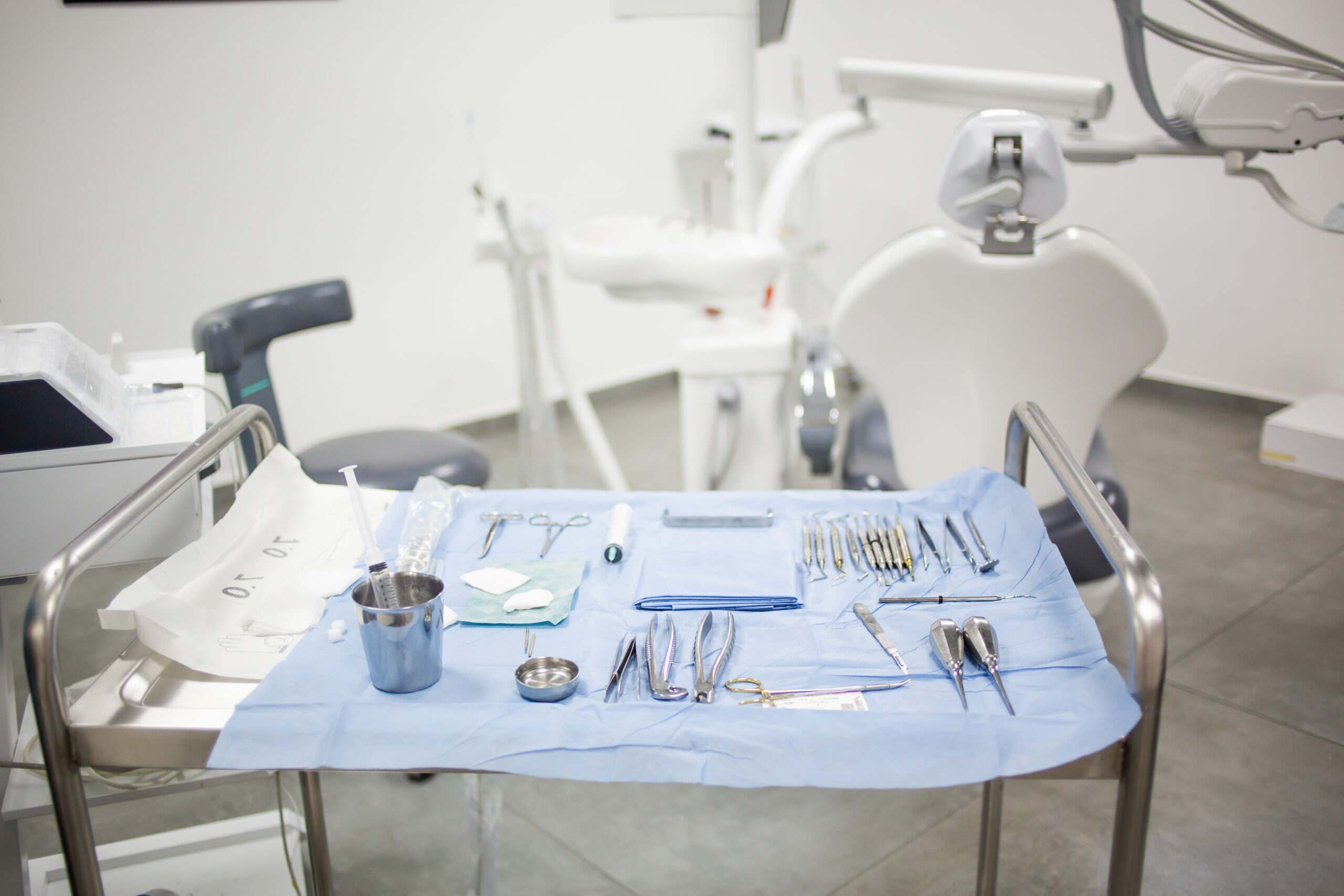
Dental Equipment laying on cart inside dental office before surgery.

Background Facts

The insured general dentist had been seeing and treating a 29-year-old male patient since the patient was in his teens, by way of infrequent visits over time, with the patient generally appearing only for an occasional check-up presentation, having never had any restorations. On such a visit after a 3-year hiatus, with the patient asymptomatic, the dentist obtained a full mouth series of radiographs, on which he visualized a well-circumscribed, well-demarcated, radiolucent lesion that extended from the roots of teeth #17 and 18 – both of which looked to be partially “eaten away” – posteriorly and inferiorly toward the angle of the mandible, although there was no clinical expansion of the mandible. The dentist was unable to see the entire extent of the lesion, so he immediately referred the patient to a board-certified oral and maxillofacial surgeon for further evaluation and any required treatment; with the patient’s approval, the dentist emailed the patient’s entire set of records and radiographs to the oral surgeon, with all prior radiographs of the area appearing normal.

Following examination the same day, the oral surgeon took a panoramic radiograph that showed the lesion extending to the inferior border, and performed an incisional biopsy of what he stated on a biopsy requisition to be a “right posterior mandible lytic lesion”, which was reported several days later as an odontogenic keratocyst (“OKC”). That report incorrectly repeated the lesion’s location as the posterior right mandible, but the oral surgeon created no documentation of his having realized the error. When the patient returned to the oral surgeon the following day, he was advised that, due to the high rate of recurrence of OKCs, the extent of the lesion required that a complete resection of the mandible from the first bicuspid to the lower third of the ramus be performed, with immediate reconstruction using plating and a bone graft taken from the patient’s iliac crest. No chart entry stated the side of the potential surgery. The patient agreed and hospital surgery was scheduled for two weeks later. The oral surgeon updated the general dentist regarding the diagnosis and plan.

On the day of surgery, the oral surgeon was stuck in a traffic jam, causing him to be late at the hospital. While on route, he called the operating room waiting area and spoke to a nurse there, asking that his patient sign a consent form for right mandibular resection and reconstruction with hip graft and plating; the nurse agreed. The nurse discussed with the patient that he would be obtaining the patient’s signed consent for right side jaw surgery, and completed a proposed consent form listing those as the procedures. Upon reading the form, the patient corrected the nurse, advising him that the lesion was on the left side, so the nurse left the unsigned form for right side surgery in the chart and created a new one for left side surgery, which the patient signed and which was also placed in the chart.

Upon his arrival at the hospital, the surgeon briefly greeted the patient upon passing through the waiting area, and asked that the patient be brought into the operating room while he changed into scrubs. The operating room supervisor pointed out to the oral surgeon that his lateness had backed things up, so he should “move things along”. After quickly changing his clothes, he went to the OR suite, where he signaled to the anesthesiologist to put the patient to sleep while he scrubbed and gowned. The oral surgeon had brought with him only the pathology report and a print-out of the panoramic film, which did not have “L” or “R” markings. As he began to prep the right side for surgery, the nurse pointed out that the patient was definitive that the surgery was to be performed on the left side; the surgeon was adamant that the surgery was to be done on the right side and that the patient was incorrect, pointing to the pathology report describing a right OKC. The nurse did not question further. The oral surgeon performed a block resection from tooth #28 to the right ramus, sacrificing the right inferior alveolar nerve, and reconstructed the site with a bone plate and a graft from the patient’s iliac crest. The surgery proceeded uneventfully from a technical standpoint.

When the patient’s wife saw her husband that evening, she was shaken to see that the surgery had been performed on the wrong side. The patient became upset and distraught for the remainder of his time in the hospital, and refused to see the oral surgeon to be checked, asking instead that another surgeon on staff follow him until discharge. After seeing that other surgeon in the office following discharge, and after adequately recovering from surgery, the patient presented for the identical surgery on the left side, which sacrificed the left inferior alveolar nerve and which required using another reconstruction plate and a graft from the other hip. His facial deformities were quite apparent, and his functioning was grossly deficient, leading to a 40-pound weight loss in the year before implant placement and restorations could begin.

Legal Status

The patient and his wife retained well-respected and experienced attorneys to file suit against the oral surgeon (for performing the incorrect surgery), the hospital (for failing to engage in a proper pre-surgical protocol), the oral pathologist (for reporting the OKC as being on the incorrect side), and the general dentist (for having made a referral to an “incompetent” oral surgeon).

Litigation Events

Attorneys for the general dentist submitted a motion to the court, seeking dismissal, arguing that their client did everything that the standard of care required, namely making a timely referral to a board-certified specialist; the court agreed and dismissed the general dentist from the case. Similarly, attorneys for the oral pathologist made a corresponding motion, claiming that the standard of care for oral pathologists did not require confirmation of the location of the examined lesion, but instead allowing the pathologist to rely upon the practitioner who performed the biopsy for that information; the court concluded that this was a question of fact for a jury, and kept the pathologist in the case. The claims against the oral surgeon and the hospital were settled for substantial amounts, leading the patient’s attorneys to drop the sole remaining claim against the oral pathologist.

Takeaways

Although the general dentist was ultimately let out of the case, this situation makes clear that any practitioner involved with patient care may be made part of a lawsuit, and be forced to bear all that goes along with being a defendant in a malpractice action. Here, the dentist completely abided by the standard of care, and the court agreed, but an important lesson is to make referrals timely (as was done here) and wisely, considering experience, credentials and background of the practitioner to whom a referral is made.

It is not uncommon for dental professionals to run late and feel pressured to regain control of their daily schedules, whether to appease patients, staff members, or hospital administrators. But that can never serve as an excuse for not taking a “time out” prior to performing anything irreversible, to assure that the patient, treatment location, and procedure are all correct; if there is any doubt at all in this regard, steps must be taken to confirm complete accuracy, even if that means abandoning the patient’s care for that day altogether, and even if that means worsening already-existing schedule delays.

Because OKCs tend not to be expansile from the standpoint of splaying out the cortical plates and making the jaw appear to be “swollen”, the lesion provided no external clue as to which side contained it. It is frequently the case that bony and/or periapical lesions show no external signs of their presence, so practitioners act carefully by assessing all diagnostic factors before suggesting or rendering treatment.

The informed consent process here was relegated by the oral surgeon to a hospital nurse who was unfamiliar with the prior history of events. Best practice guidelines dictate that the practitioner about to perform the procedure personally obtain informed consent, rather than having some other person do it instead. Had the oral surgeon obtained informed consent, there would have been an appropriate forum for patient and doctor to fully come into agreement regarding the details of the surgery about to take place, including the correct location.

The oral surgeon in this case made a critical error in documentation to the oral pathologist, and that error repeated itself at every step following. (This is commonly seen in electronic medical records when incorrect documentation of history, diagnosis or procedure is repeated over and again, because practitioners “cut and paste” from earlier entries to save time.) If the panoramic here had been labelled “L” or “R”, of if the patient had any restorations to differentiate between the two sides, this serious problem might have been avoided, but neither of those situations existed, nor can these types of circumstances be counted on to derail an error in the making. In the end, the negligence in this case was an easily avoidable mistake, based not upon lack of ability or an incorrect choice between various options or a known risk which came to fruition, but upon failing to assure the correctness of a surgical procedure with permanent effects. Measure twice, cut once.

Note that this case presentation includes circumstances from several different closed cases, in order to demonstrate certain legal and risk management principles, and that identifying facts and personal characteristics were modified to protect identities. The content within is not the original work of MedPro Group but has been published with consent of the author. Nothing contained in this article should be construed as legal, medical, or dental advice. Because the facts applicable to your situation may vary, or the laws applicable in your jurisdiction may differ, please contact your personal or business attorney or other professional advisors if you have any questions related to your legal or medical obligations or rights, state or federal laws, contract interpretation, or other legal questions.

			WP_Query Object
(
    [query] => Array
        (
            [post_type] => post
            [showposts] => 3
            [post__not_in] => Array
                (
                    [0] => 4044
                )

            [post_status] => publish
            [has_password] => 
            [cat] => 1365
        )

    [query_vars] => Array
        (
            [post_type] => post
            [showposts] => 3
            [post__not_in] => Array
                (
                    [0] => 4044
                )

            [post_status] => publish
            [has_password] => 
            [cat] => 1365
            [error] => 
            [m] => 
            [p] => 0
            [post_parent] => 
            [subpost] => 
            [subpost_id] => 
            [attachment] => 
            [attachment_id] => 0
            [name] => 
            [pagename] => 
            [page_id] => 0
            [second] => 
            [minute] => 
            [hour] => 
            [day] => 0
            [monthnum] => 0
            [year] => 0
            [w] => 0
            [category_name] => practice-more-safely
            [tag] => 
            [tag_id] => 
            [author] => 
            [author_name] => 
            [feed] => 
            [tb] => 
            [paged] => 0
            [meta_key] => 
            [meta_value] => 
            [preview] => 
            [s] => 
            [sentence] => 
            [title] => 
            [fields] => all
            [menu_order] => 
            [embed] => 
            [category__in] => Array
                (
                )

            [category__not_in] => Array
                (
                )

            [category__and] => Array
                (
                )

            [post__in] => Array
                (
                )

            [post_name__in] => Array
                (
                )

            [tag__in] => Array
                (
                )

            [tag__not_in] => Array
                (
                )

            [tag__and] => Array
                (
                )

            [tag_slug__in] => Array
                (
                )

            [tag_slug__and] => Array
                (
                )

            [post_parent__in] => Array
                (
                )

            [post_parent__not_in] => Array
                (
                )

            [author__in] => Array
                (
                )

            [author__not_in] => Array
                (
                )

            [search_columns] => Array
                (
                )

            [ignore_sticky_posts] => 
            [suppress_filters] => 
            [cache_results] => 1
            [update_post_term_cache] => 1
            [update_menu_item_cache] => 
            [lazy_load_term_meta] => 1
            [update_post_meta_cache] => 1
            [posts_per_page] => 3
            [nopaging] => 
            [comments_per_page] => 50
            [no_found_rows] => 
            [order] => DESC
        )

    [tax_query] => WP_Tax_Query Object
        (
            [queries] => Array
                (
                    [0] => Array
                        (
                            [taxonomy] => category
                            [terms] => Array
                                (
                                    [0] => 1365
                                )

                            [field] => term_id
                            [operator] => IN
                            [include_children] => 1
                        )

                )

            [relation] => AND
            [table_aliases:protected] => Array
                (
                    [0] => wp_term_relationships
                )

            [queried_terms] => Array
                (
                    [category] => Array
                        (
                            [terms] => Array
                                (
                                    [0] => 1365
                                )

                            [field] => term_id
                        )

                )

            [primary_table] => wp_posts
            [primary_id_column] => ID
        )

    [meta_query] => WP_Meta_Query Object
        (
            [queries] => Array
                (
                )

            [relation] => 
            [meta_table] => 
            [meta_id_column] => 
            [primary_table] => 
            [primary_id_column] => 
            [table_aliases:protected] => Array
                (
                )

            [clauses:protected] => Array
                (
                )

            [has_or_relation:protected] => 
        )

    [date_query] => 
    [request] => SELECT SQL_CALC_FOUND_ROWS  wp_posts.ID
					 FROM wp_posts  LEFT JOIN wp_term_relationships ON (wp_posts.ID = wp_term_relationships.object_id)
					 WHERE 1=1  AND wp_posts.ID NOT IN (4044) AND ( 
  wp_term_relationships.term_taxonomy_id IN (11)
) AND wp_posts.post_password = '' AND wp_posts.post_type = 'post' AND ((wp_posts.post_status = 'publish'))
					 GROUP BY wp_posts.ID
					 ORDER BY wp_posts.post_date DESC
					 LIMIT 0, 3
    [posts] => Array
        (
            [0] => WP_Post Object
                (
                    [ID] => 10296
                    [post_author] => 180159417
                    [post_date] => 2026-03-13 09:52:32
                    [post_date_gmt] => 2026-03-13 13:52:32
                    [post_content] => 


In this case study, we explore how a misidentified biopsy location – due to a miscommunication - resulted in wrong-site surgery and malpractice claims. The case highlights the importance of documentation accuracy in preventing risks.

Key Concepts

  • Preventing wrong-site surgery through pre-procedure precautions
  • Vicarious liability for documentation errors
  • Pure consent to settle clauses in malpractice policies

Background Facts

T, a 71-year-old man, was a retired carpenter, with a medical history of well-controlled hypertension and chronic, episodic sinusitis, and a social history of having smoked at various times in his life, as much as up to a pack of cigarettes a day. He visited his dentist, Dr. D, at irregular intervals and never wanted to establish a big-picture treatment plan. At his most recent visit, Dr. D noted a course, irregular white area at the buccal mucogingival junction around teeth #29-31. Not feeling comfortable making even a provisional diagnosis, Dr. D referred T to a periodontist, Dr. O, to evaluate the area and treat as needed. Dr. O performed an incisional biopsy of the area and sent it to an oral pathologist, Dr. H, for histopathological assessment. The lesion was read out provisionally as atypical epithelial proliferation, but Dr. H asked for a larger sample to be able to make a more definitive diagnosis.

Dr. O took a second specimen from an immediately adjacent site. Due to a clerical error, Dr. O entered into the chart that this specimen had been taken from the "lower left buccal gingiva," with her dental assistant repeating that error on the pathology request form that was forwarded to Dr. H with the tissue. After microscopically examining the specimen, Dr. H diagnosed it definitively. The report from Dr. H to Dr. O read "squamous cell carcinoma, moderately-to-well differentiated, lower left buccal gingiva," the latter aspect having been copied by Dr. H, exactly from the requisition provided by Dr. O's office with the most recent submission.

Upon seeing the words "squamous cell carcinoma," Dr. O immediately referred T to a double-degree oral and maxillofacial surgeon, Dr. M, who had head and neck surgery fellowship training, for evaluation and treatment, giving T a copy of the biopsy report to take with him. Dr. M reviewed Dr. H's report, examined T, noting a small lesion on the buccal aspect of teeth #30-31, and explained to T that he would need a PET scan to determine whether there had been any spread. Presuming no such spread, Dr. M advised T that the lesion could be successfully treated by surgery alone, specifically a marginal mandibulectomy and a limited neck dissection. The lesion had not spread, per the PET scan and other modalities, so the stated plan would go forward. T agreed and surgery was scheduled at a regional medical center.

On the day of surgery, T waited in a pre-surgery room, where his medical history was reviewed and identification was checked. A consent form stating the procedure to be "removal of portion of lower jaw, and neck dissection" was signed by T and witnessed by a nurse. Dr. M said a brief "hello" to T before changing into scrubs and entering the operating room, where T was already on the table. Dr. M asked the anesthesiologist to proceed.  

Dr. M had taped Dr. H's biopsy report to the OR wall, read it again, and prepared to make an extraoral left submandibular incision, through which he would both remove a mandibular segment and perform the limited neck dissection. Technically, the procedure went forward uneventfully, with T then transferred to the post-anesthesia care unit. T's wife was brought in to see her husband while Dr. M was still there, dictating his operative note. She was aghast to see that surgery had been performed on T's left side, when she knew that the cancer was on the right. When she confronted Dr. M on the spot, he said, "here's the biopsy report, read it for yourself."  

Shortly after T's initial surgical recovery, another surgeon treated T, this time correctly operating on the right side of T's face and neck. T suffered emotionally, to the extent that he sought and obtained psychological counseling, but he was never able to comfortably eat or drink, or otherwise normally function orally again. He required and received reconstruction bilaterally, but he always found it to be very compromised and esthetically unacceptable.

Legal Action

T retained a seasoned attorney, who collected all records and who obtained opinions from a general dentist (like Dr. D), a periodontist (like Dr. O), an oral pathologist (like Dr. H), and an OMS (like Dr. M). The general dentist saw no liability on Dr. D's part, as he had immediately made an appropriate referral. The oral pathologist similarly found no liability as to Dr. H, reasoning that oral pathologists in biopsy situations do not assess the patient clinically. They simply diagnose what they see microscopically, which he did accurately, and report the findings regarding the site that was conveyed on the requisition it had come from.  

The conclusions as to Drs. O and M were quite the different. The expert periodontist stated his view of Dr. O's negligence succinctly: Dr. O's recording error which incorrectly stated the location of the lesion to be examined was inexcusable, and it served to set the entire cascade of events into action, resulting in wrong-side surgery having been done. The oral surgery expert was deeply critical of Dr. M, claiming that he failed to clinically correlate the location findings on a biopsy report with the patient's actual condition, and then compounded the situation by being unwilling to address his error, thereby violating his duties, both surgically and ethically. In short, said this expert, Dr. M failed to do the most basic tasks, namely double checking the intended surgical site before performing irreversible, life-altering treatments.

Substantial settlement amounts were paid to T on behalf of both Dr. O and Dr. M. Additionally, Dr. M was sanctioned by his State Board.

Takeaways

Wrong-site treatment, including surgery – whether, as here, relating to the side of the mandible to be removed, or extracting a first bicuspid instead of an orthodontically planned-for second bicuspid, or endodontically treating a healthy lower molar instead of the diseased tooth next to it – has permanent effects, which are virtually always preventable. Pre-procedure techniques can be, and routinely are, employed that will stop this type of error from ever taking place, such as taking a time out for confirmation, marking the side/site of surgery, having two people independently confirm what is to be done, clinically correlating a result document (such as a biopsy report) with an actual finding, and having an open, no-consequences policy that encourages office staff to voice any concerns before a potential untoward event begins. The old "a stitch in time" adage is never more applicable than in pre-procedure risk protection.

One of the most frequent case types now seen in malpractice claims is a practitioner performing treatment where it was not intended to be, and the trend appears to be growing. While the reasons for that are simply theories, a common-sense approach is that such events might well be driven by a focus on the number of patients seen and procedures performed. In reality, the amount of time needed before a procedure to assure correct patient, correct site, correct procedure is nominal in comparison to the amount of time that most procedures take. But even if a practitioner or an office is measurably slowed down to achieve those assurances, obligations to patient safety warrant those delays.

This case highlights the consideration of responding to patients and their family members when results are not as planned or expected, when complications come to pass, or, as here, when errors are immediately obvious. It would not likely have changed the ultimate course of legal events had Dr. M responded to T's wife differently, because the negligence was so clear and significant, but it might have reduced the likelihood of a Board complaint being levied against him. Evidence to support that theory lies with the fact that no Board complaint was filed against Dr. O.  

The pathology request form sent to Dr. H with the second specimen taken by Dr. O was completed by Dr. O's dental assistant, who wrote the requisition form. By way of a concept known as vicarious liability, what the dental assistant wrote is the functional equivalent of Dr. O having written it herself. The assistant's error, whether copied from Dr. O's own transcription error or not, becomes Dr. O's error as well. All that is delegated comes back to the delegator, so double-checking of even such a seemingly unimportant task is critical for liability protection and for patient protection.

As a background fact, both Dr. O and Dr. M had professional liability ("dental malpractice") policies with "pure consent-to-settle" provisions, meaning that no settlement could have been reached without their agreement to do so. Such a provision means that a practitioner can demand that a lawsuit brought against them be tried in court before a jury, regardless of how strong the evidence of wrongdoing might be. For every case, practitioners are counseled by their attorneys regarding the pros and cons of settlement versus trial, with the potential implications of both fully set out on the table.  

Finally, we note that, simply for purposes of brevity, some details, which were not relevant to the risk management issues discussed, were omitted. This is particularly the case regarding the pre-surgical work-up phase of care, secondary criticisms addressed by the experts, and the documentary and testimonial evidence before the State Board. Their absence should not be construed as necessary but missing pieces.

Summary of Takeaways

  • Wrong site surgery remains a leading and largely preventable source of malpractice claims.
  • Dentists are accountable for errors made by delegated staff, even when those errors were unintentional.
  • Simple confirmation practices before irreversible procedures can prevent patient harm and legal consequences.

[post_title] => Why Accurate Documentation Matters Before Referral and Surgery [post_excerpt] => [post_status] => publish [comment_status] => closed [ping_status] => closed [post_password] => [post_name] => why-accurate-documentation-matters-before-referral-and-surgery [to_ping] => [pinged] => [post_modified] => 2026-03-24 12:39:17 [post_modified_gmt] => 2026-03-24 16:39:17 [post_content_filtered] => [post_parent] => 0 [guid] => https://medprodental.com/?p=10296 [menu_order] => 0 [post_type] => post [post_mime_type] => [comment_count] => 0 [filter] => raw ) [1] => WP_Post Object ( [ID] => 10262 [post_author] => 180159417 [post_date] => 2026-02-19 02:56:58 [post_date_gmt] => 2026-02-19 07:56:58 [post_content] =>

A fulfilling dental career is powered by passion. In this article, Dr. Shafa Nathani, a member of MedPro Group’s Dental Advisory Board, offers insight on staying motivated and shaping a career that you’re passionate about.

Key Concepts

  • Job satisfaction and preventing burnout
  • Continuing education for dentists
  • Mental health and work-life balance

Cultivating your passion as a dentist can boost your job satisfaction throughout your career. When you genuinely enjoy what you do, it's easier to feel fulfilled and eager to come to work each day. Maintaining enthusiasm at work also helps keep you motivated, especially during difficult periods.

In addition, your passion for your dental career can trickle down into your care. Your upbeat demeanor can be contagious, helping to build trust and a sense of safety with your patients. This often leads to fewer appointment cancellations and a stronger commitment from your patients to stick to their treatment plans.

Building a dental career you love begins with securing reliable dental malpractice insurance – so you can practice safely and confidently with protection against potential malpractice claims. With trusted coverage from industry leader MedPro Group, you’ll get the peace of mind you need to deliver the best care to your patients and focus on fostering a fulfilling career.

Read this article for tips on how to choose the right dental malpractice insurance policy.

Q&A with a MedPro Group Dental Advisory Board Member

We interviewed Dr. Shafa Nathani, DMD, a member of MedPro’s Dental Advisory Board, to learn how she maintains her enthusiasm for her practice.

What’s your favorite part about working with patients?

"Every patient who sits in my chair comes with a story, and that’s something I never take for granted. On most days, the office is busy and fast-paced, and I may only get a few moments with each patient. Still, those moments often carry the most meaning. Whether it’s meeting a new patient for the first time, delivering complete dentures to someone we’ve been caring for over months or years, or seeing a recall patient after a long gap and catching up on their life, those brief connections matter deeply to me. Outside of the technical side of dentistry, it’s these human moments that ground me. After a day that feels like a total blur, they remind me why I chose this profession in the first place and how privileged I am to be trusted with someone’s care, comfort, and confidence.”

How do you prevent burnout as a dentist?

"I’m a little over a year into my career, and I’m currently in a phase of saying ‘yes’ as much as possible, working hard to gain experience and take full advantage of the momentum from dental school. While that growth has been exciting, it also comes with physical and mental challenges.” 

“There are days when my back aches, the mental load of running a busy office feels overwhelming, and the idea of taking time off sounds incredibly appealing. Early on, my routine after work was to go straight home, sit on the couch, and try to decompress. However, I quickly realized that I was still waking up tired and feeling like my life revolved entirely around work.”

“Making intentional changes helped shift that mindset. I joined a yoga studio, spent time at the library, and found ways to stay mentally and physically engaged outside of dentistry. Even though I was still tired, I felt fulfilled. That sense of balance has been essential in preventing burnout and helping me remain enthusiastic, motivated, and present for my patients."

Learn more about recognizing and preventing burnout in this article.

Can you share a pivotal moment that reaffirmed your passion for dentistry?

"Within my first month of practicing as a dentist, I treated an older patient whose upper bridge and partial had completely failed. He required full-mouth extractions, but financial limitations prevented him from receiving care from an oral surgeon. I wanted to help him, but I also questioned whether I was capable of managing a case of that complexity so early in my career.” 

“I reached out to a mentor who guided me step by step through the surgical process and denture delivery. While he was incredibly grateful for the care, that wasn’t the moment that truly reaffirmed my passion for dentistry. It was everything that followed. Over the next year, I saw him regularly for adjustments and follow-up exams, and during those visits we shared life updates and built a genuine connection. On my last day at that office, we tearfully said goodbye, and he offered me his blessings.”

“That moment reminded me that dentistry is about far more than procedures. It’s about relationships, trust, and long-term impact. He will be attending my wedding later this fall, a testament to how meaningful patient relationships can become."

How important is continuing education to staying passionate about your career?

"Continuing education is incredibly important to me, both professionally and personally. Dental school provides a strong foundation, but it can’t possibly cover everything. Depending on how you want to practice, CE can help shape you into a well-rounded dentist or allow you to focus deeply on a specific niche. I identify strongly with being a well-rounded practitioner.” 

“I’ve discovered countless resources and taken courses that reignite my excitement for learning and push me to try new techniques that lead to better clinical outcomes and smoother recovery for patients. Dentistry is constantly evolving, and staying current isn’t optional, it’s a responsibility. Engaging in CE keeps me challenged, curious, and inspired, which directly translates into better patient care."

How do you stay connected to the dental community? How does that affect your passion for your work?

“Having a supportive dental community is vital to my success and longevity in this profession. I’m incredibly grateful for the friendships I formed in dental school. We often joke that between all of us, we somehow cover every time zone in the country. Even though we aren’t geographically close, those friends are the first people I reach out to because they truly understand the challenges, pressures, and victories that come with dentistry. It’s a judgment free space where I can ask questions, vent, or celebrate wins.” 

“Additionally, my current role allows me to work within a DSO alongside a strong group of dentists. Through monthly calls and in person collaboration, we’ve built relationships rooted in mutual support and shared growth. This community has been essential in keeping my passion for dentistry alive because I never feel isolated. Instead, I feel supported, encouraged, and reminded that I’m part of something much bigger than myself.”

Passion starts with security 

You're passionate about your patients. We're passionate about protecting your good name. With over a century of dental malpractice expertise, we'll protect your practice so you can focus on building a career you love.

To learn more, contact our team or get a quote today.

[post_title] => How to Stay Passionate in Your Dental Career [post_excerpt] => [post_status] => publish [comment_status] => closed [ping_status] => closed [post_password] => [post_name] => how-to-stay-passionate-in-your-dental-career [to_ping] => [pinged] => [post_modified] => 2026-02-25 08:18:48 [post_modified_gmt] => 2026-02-25 13:18:48 [post_content_filtered] => [post_parent] => 0 [guid] => https://medprodental.com/?p=10262 [menu_order] => 0 [post_type] => post [post_mime_type] => [comment_count] => 0 [filter] => raw ) [2] => WP_Post Object ( [ID] => 10240 [post_author] => 180159417 [post_date] => 2026-02-06 00:46:10 [post_date_gmt] => 2026-02-06 05:46:10 [post_content] =>

In this case study, dentists learn how an implant placement evolved into a malpractice lawsuit after the patient developed persistent postoperative nerve injury symptoms. The case demonstrates how clinical choices made at the planning stage can significantly influence the legal trajectory of a case.

Key Concepts

  • Understanding divergent opinions between experts
  • Determining standard of care for different radiographic techniques
  • Understanding the pure consent to settle clause

Background Facts

Dr. P practiced restorative dentistry in a suburban community, since her completion of dental school and a general practice residency. During her formal training and after, she engaged in didactic and clinical coursework involving implant placement and restoration and regularly recommended and employed dental implants in her treatment plans. That was the case when a new area resident, O, a healthy man in his 40s, presented for general care and consideration for replacing missing tooth #30, which was extracted years ago following a trauma-induced fracture.

O's mouth was in generally good repair, as he practiced good home hygiene and had been a regular dental patient for his entire adult life. Dr. P discussed the replacement options of a 3-unit fixed bridge and an endosseous implant, upon which a single crown would be placed. After taking and viewing a panoramic radiograph, Dr. P advised O that he had "plenty of bone" to support an implant, and she suggested that approach. The costs were similar, so O opted for the implant plan. Dr. P advised O of the usual risks of implant surgery, including a nerve injury which could even be permanent in "rare" situations. O agreed to go forward and set up an appointment within the next few weeks.

At the surgical visit, a chairside assistant presented O with a document entitled Implant Consent Form, telling O that this was exactly what Dr. P had discussed with him. O quickly perused the form and signed it. Based upon measurements she made on the panoramic film, Dr. P determined there to be 14.5 mm of mandibular bone superior to the inferior alveolar canal (IAC), so she planned for and placed a 13 mm fixture. Upon elevating a gingival flap, Dr. P noticed that the lingual height of bone was "a good deal" higher than on the buccal aspect. Other than O briefly wincing toward the end of the preparation phase, all went smoothly, with the implant covered with soft tissue and sutured. A post-placement periapical radiograph showed the implant in very close approximation to the IAC, but Dr. P saw "daylight," so she was not concerned.

One week later, at the suture removal visit, O complained of "pins and needles" and "numbness" on the right side of his lower lip and chin. Dr. P stated that she remained "unconcerned," explaining that this is common and all should be back to normal over the next weeks or months. O returned for crown placement 5 months after implant surgery, still with the same "annoying sensations." Dr. P was surprised that the situation had not normalized, but she continued to reassure O of a return to normal. That never came.

Legal Action

O always found the tingling and numbness to be uncomfortable, but he never thought to do anything about it until he met up with a college classmate of his, now an attorney, at an alumni event. The classmate did not practice law where O now lived but suggested that he consult with an attorney he knew who did "a lot of malpractice work." O met with that lawyer, who gathered all of Dr. P's records and sent O to a local neurologist to assess the extent of the injury. The neurologist confirmed that O's mandibular nerve was in fact injured and did not conceive of any improvement, now nearly two years after the surgical event.

O's attorney contacted an experienced dentist whom he knew, who had testified in dental malpractice cases in the past, and who, like Dr. P, regularly placed and restored implants, seeking to retain that dentist as an expert on behalf of O. Following a review of the records, the expert reported back to the attorney that, in his opinion, Dr. P had deviated from the standard of care, which in the expert's view required the use of CBCT radiography in order to accurately determine available bone for implant placement. The expert cited specifically to Dr. P's intraoperative finding of a sloped mandibular crest, which could not have been determined on the 2-D panoramic but would have been seen on a 3-D CBCT, had one been taken. The expert added to that opinion the concept that, once Dr. P noted that lingual-to-buccal slope, she should have immediately stepped back and reconsidered whether the planned-for 13 mm implant was appropriate, which it ended up not being, as the measurement was based upon the highest point of the crest, rather than lower points on that slope which were closer to the IAC.

The attorney quickly filed suit against Dr. P, as the statute of limitations was approaching. Dr. P contacted her professional liability carrier, which assigned defense counsel to Dr. P. O's attorney voluntarily shared his expert's report with defense counsel, hoping to demonstrate a strong basis for an early settlement. However, defense counsel retained its own expert, who opined that the standard of care allowed for 2-D panoramic films for the purpose of implant planning, although acknowledging a deep split within the dental profession. Some dentists and organized dental groups asserted that (exactly because of anatomic situations as Dr. P found) 3-D studies were required prior to posterior mandibular implant placement, with other dentists and dental groups agreeing with this defense expert's stance. In part, the latter view is supported by the statistical fact that, according to recent assessments, only 29% of U.S. general/restorative dentists have on-site CBCT availability, with less than 2/3 of dental specialists having such access.

Defense counsel recognized that a motion for summary judgment––one seeking dismissal of the case without trial––would not be fruitful because such a motion can only be successful when, among other things, there is no legitimate difference between opposing expert opinions.  Therefore, defense counsel thoroughly presented Dr. P with her options: (1) go to trial and ask a jury to determine whether she had run afoul of the standard of care, allowing them to award money to compensate O for his injuries if they determined that she did not meet the standard of care, and if that was causative of his injuries; or (2) trying to reach a pre-trial settlement, presuming that the carrier agreed with that prospect, which it did.

Dr. P frankly said to her attorney that, in multiple continuing education classes she had taken, the need for pre-implant CBCT studies was discussed, for the very reasons highlighted in O's treatment. She further acknowledged that she would have to testify to that experience if asked at trial. Dr. P was concerned, so she authorized attempts to resolve the case. Because O's injuries were viewed, even by his own lawyer, as not severe, evidenced in part by O having never sought subsequent evaluations or care other than at the direction of his attorney, a modest settlement was reached.

Takeaways

It is the rule, and not the exception, that experts for plaintiffs and defendants will disagree, and that is also the case for dentists, outside of the litigation realm. Those disagreements take center stage during dental malpractice trials, with jurors left to determine which of the opposing positions they accept. As Dr. P reasoned here, it is rarely, if ever, simply a coin flip, because a host of factors play into jury determinations, so the pre-trial "prediction calculus" takes into account a common sense approach as to how lay people will most likely come to their conclusions on matters of science and professional expertise. Sometimes demeanors of the parties and/or experts carry the day. Sometimes the bases of expert opinions are determinative, and sometimes, as might play here, particular professional experiences in the dentist's past are of significance. While legitimate (not fabricated) differences of expert conclusions generally preclude dismissal before trial by way of motions, those differences will need to be resolved by a trial jury. There is no getting around that.

This case study briefly touches on the concept of statute of limitations (SOL), so a short description is in order. The SOL is the time following a claimed negligent event (or sometimes the subsequent discovery of that event) within which a plaintiff must file suit or be forever time-barred. Of course, as with so many issues in the law, there are nuances and issues which can serve to lengthen the allowable timeframe, but they are exceptions, with the statutory SOL generally being the bedrock. The concept of SOL is perhaps the most variable legal issue as between the States––or at least close to the top of the list––but it is a consideration for attorneys (or self-represented plaintiffs) to grapple with, and not something with which dentists need to familiarize themselves.

As the body of this case study references, divergent views exist within dentistry as to what radiographic techniques are "best" for various planned procedures or diagnostic approaches, which in the litigation arena often translates to opinions as to standard of care. Articles in respected journals present competing ideas. Some take the approach that dentists are in the most ideal position to make patient-based, procedure-based, and circumstance-based decisions as to which radiographic techniques––whether CBCT, panoramic, periapical, etc.––are most appropriate clinically. Others are more rigid, asserting, for example, that nearly all invasive dental/oral surgical procedures require CBCT studies in advance. While we do not advocate here in either direction, dentists and oral surgeons ought to be aware of these opposing schools of thought and consider them in decision-making, realizing that jurors might get the final say.

We end on a note about the decision faced by Dr. P. Given that she had a "consent-to-settle" policy, it was her right to refuse any type of settlement, regardless of the input or advice of her counsel or insurer. Had she not had such a policy, that decision would not have been hers to make. This is yet another issue for dentists to consider when choosing a malpractice carrier and policy.

[post_title] => Dentist’s Choice of Radiographic Technique Leads to Lawsuit [post_excerpt] => [post_status] => publish [comment_status] => closed [ping_status] => closed [post_password] => [post_name] => dentists-choice-of-radiographic-technique-leads-to-lawsuit [to_ping] => [pinged] => [post_modified] => 2026-02-27 13:15:50 [post_modified_gmt] => 2026-02-27 18:15:50 [post_content_filtered] => [post_parent] => 0 [guid] => https://medprodental.com/?p=10240 [menu_order] => 0 [post_type] => post [post_mime_type] => [comment_count] => 0 [filter] => raw ) ) [post_count] => 3 [current_post] => -1 [before_loop] => 1 [in_the_loop] => [post] => WP_Post Object ( [ID] => 10296 [post_author] => 180159417 [post_date] => 2026-03-13 09:52:32 [post_date_gmt] => 2026-03-13 13:52:32 [post_content] =>

In this case study, we explore how a misidentified biopsy location – due to a miscommunication - resulted in wrong-site surgery and malpractice claims. The case highlights the importance of documentation accuracy in preventing risks.

Key Concepts

  • Preventing wrong-site surgery through pre-procedure precautions
  • Vicarious liability for documentation errors
  • Pure consent to settle clauses in malpractice policies

Background Facts

T, a 71-year-old man, was a retired carpenter, with a medical history of well-controlled hypertension and chronic, episodic sinusitis, and a social history of having smoked at various times in his life, as much as up to a pack of cigarettes a day. He visited his dentist, Dr. D, at irregular intervals and never wanted to establish a big-picture treatment plan. At his most recent visit, Dr. D noted a course, irregular white area at the buccal mucogingival junction around teeth #29-31. Not feeling comfortable making even a provisional diagnosis, Dr. D referred T to a periodontist, Dr. O, to evaluate the area and treat as needed. Dr. O performed an incisional biopsy of the area and sent it to an oral pathologist, Dr. H, for histopathological assessment. The lesion was read out provisionally as atypical epithelial proliferation, but Dr. H asked for a larger sample to be able to make a more definitive diagnosis.

Dr. O took a second specimen from an immediately adjacent site. Due to a clerical error, Dr. O entered into the chart that this specimen had been taken from the "lower left buccal gingiva," with her dental assistant repeating that error on the pathology request form that was forwarded to Dr. H with the tissue. After microscopically examining the specimen, Dr. H diagnosed it definitively. The report from Dr. H to Dr. O read "squamous cell carcinoma, moderately-to-well differentiated, lower left buccal gingiva," the latter aspect having been copied by Dr. H, exactly from the requisition provided by Dr. O's office with the most recent submission.

Upon seeing the words "squamous cell carcinoma," Dr. O immediately referred T to a double-degree oral and maxillofacial surgeon, Dr. M, who had head and neck surgery fellowship training, for evaluation and treatment, giving T a copy of the biopsy report to take with him. Dr. M reviewed Dr. H's report, examined T, noting a small lesion on the buccal aspect of teeth #30-31, and explained to T that he would need a PET scan to determine whether there had been any spread. Presuming no such spread, Dr. M advised T that the lesion could be successfully treated by surgery alone, specifically a marginal mandibulectomy and a limited neck dissection. The lesion had not spread, per the PET scan and other modalities, so the stated plan would go forward. T agreed and surgery was scheduled at a regional medical center.

On the day of surgery, T waited in a pre-surgery room, where his medical history was reviewed and identification was checked. A consent form stating the procedure to be "removal of portion of lower jaw, and neck dissection" was signed by T and witnessed by a nurse. Dr. M said a brief "hello" to T before changing into scrubs and entering the operating room, where T was already on the table. Dr. M asked the anesthesiologist to proceed.  

Dr. M had taped Dr. H's biopsy report to the OR wall, read it again, and prepared to make an extraoral left submandibular incision, through which he would both remove a mandibular segment and perform the limited neck dissection. Technically, the procedure went forward uneventfully, with T then transferred to the post-anesthesia care unit. T's wife was brought in to see her husband while Dr. M was still there, dictating his operative note. She was aghast to see that surgery had been performed on T's left side, when she knew that the cancer was on the right. When she confronted Dr. M on the spot, he said, "here's the biopsy report, read it for yourself."  

Shortly after T's initial surgical recovery, another surgeon treated T, this time correctly operating on the right side of T's face and neck. T suffered emotionally, to the extent that he sought and obtained psychological counseling, but he was never able to comfortably eat or drink, or otherwise normally function orally again. He required and received reconstruction bilaterally, but he always found it to be very compromised and esthetically unacceptable.

Legal Action

T retained a seasoned attorney, who collected all records and who obtained opinions from a general dentist (like Dr. D), a periodontist (like Dr. O), an oral pathologist (like Dr. H), and an OMS (like Dr. M). The general dentist saw no liability on Dr. D's part, as he had immediately made an appropriate referral. The oral pathologist similarly found no liability as to Dr. H, reasoning that oral pathologists in biopsy situations do not assess the patient clinically. They simply diagnose what they see microscopically, which he did accurately, and report the findings regarding the site that was conveyed on the requisition it had come from.  

The conclusions as to Drs. O and M were quite the different. The expert periodontist stated his view of Dr. O's negligence succinctly: Dr. O's recording error which incorrectly stated the location of the lesion to be examined was inexcusable, and it served to set the entire cascade of events into action, resulting in wrong-side surgery having been done. The oral surgery expert was deeply critical of Dr. M, claiming that he failed to clinically correlate the location findings on a biopsy report with the patient's actual condition, and then compounded the situation by being unwilling to address his error, thereby violating his duties, both surgically and ethically. In short, said this expert, Dr. M failed to do the most basic tasks, namely double checking the intended surgical site before performing irreversible, life-altering treatments.

Substantial settlement amounts were paid to T on behalf of both Dr. O and Dr. M. Additionally, Dr. M was sanctioned by his State Board.

Takeaways

Wrong-site treatment, including surgery – whether, as here, relating to the side of the mandible to be removed, or extracting a first bicuspid instead of an orthodontically planned-for second bicuspid, or endodontically treating a healthy lower molar instead of the diseased tooth next to it – has permanent effects, which are virtually always preventable. Pre-procedure techniques can be, and routinely are, employed that will stop this type of error from ever taking place, such as taking a time out for confirmation, marking the side/site of surgery, having two people independently confirm what is to be done, clinically correlating a result document (such as a biopsy report) with an actual finding, and having an open, no-consequences policy that encourages office staff to voice any concerns before a potential untoward event begins. The old "a stitch in time" adage is never more applicable than in pre-procedure risk protection.

One of the most frequent case types now seen in malpractice claims is a practitioner performing treatment where it was not intended to be, and the trend appears to be growing. While the reasons for that are simply theories, a common-sense approach is that such events might well be driven by a focus on the number of patients seen and procedures performed. In reality, the amount of time needed before a procedure to assure correct patient, correct site, correct procedure is nominal in comparison to the amount of time that most procedures take. But even if a practitioner or an office is measurably slowed down to achieve those assurances, obligations to patient safety warrant those delays.

This case highlights the consideration of responding to patients and their family members when results are not as planned or expected, when complications come to pass, or, as here, when errors are immediately obvious. It would not likely have changed the ultimate course of legal events had Dr. M responded to T's wife differently, because the negligence was so clear and significant, but it might have reduced the likelihood of a Board complaint being levied against him. Evidence to support that theory lies with the fact that no Board complaint was filed against Dr. O.  

The pathology request form sent to Dr. H with the second specimen taken by Dr. O was completed by Dr. O's dental assistant, who wrote the requisition form. By way of a concept known as vicarious liability, what the dental assistant wrote is the functional equivalent of Dr. O having written it herself. The assistant's error, whether copied from Dr. O's own transcription error or not, becomes Dr. O's error as well. All that is delegated comes back to the delegator, so double-checking of even such a seemingly unimportant task is critical for liability protection and for patient protection.

As a background fact, both Dr. O and Dr. M had professional liability ("dental malpractice") policies with "pure consent-to-settle" provisions, meaning that no settlement could have been reached without their agreement to do so. Such a provision means that a practitioner can demand that a lawsuit brought against them be tried in court before a jury, regardless of how strong the evidence of wrongdoing might be. For every case, practitioners are counseled by their attorneys regarding the pros and cons of settlement versus trial, with the potential implications of both fully set out on the table.  

Finally, we note that, simply for purposes of brevity, some details, which were not relevant to the risk management issues discussed, were omitted. This is particularly the case regarding the pre-surgical work-up phase of care, secondary criticisms addressed by the experts, and the documentary and testimonial evidence before the State Board. Their absence should not be construed as necessary but missing pieces.

Summary of Takeaways

  • Wrong site surgery remains a leading and largely preventable source of malpractice claims.
  • Dentists are accountable for errors made by delegated staff, even when those errors were unintentional.
  • Simple confirmation practices before irreversible procedures can prevent patient harm and legal consequences.

[post_title] => Why Accurate Documentation Matters Before Referral and Surgery [post_excerpt] => [post_status] => publish [comment_status] => closed [ping_status] => closed [post_password] => [post_name] => why-accurate-documentation-matters-before-referral-and-surgery [to_ping] => [pinged] => [post_modified] => 2026-03-24 12:39:17 [post_modified_gmt] => 2026-03-24 16:39:17 [post_content_filtered] => [post_parent] => 0 [guid] => https://medprodental.com/?p=10296 [menu_order] => 0 [post_type] => post [post_mime_type] => [comment_count] => 0 [filter] => raw ) [comment_count] => 0 [current_comment] => -1 [found_posts] => 78 [max_num_pages] => 26 [max_num_comment_pages] => 0 [is_single] => [is_preview] => [is_page] => [is_archive] => 1 [is_date] => [is_year] => [is_month] => [is_day] => [is_time] => [is_author] => [is_category] => 1 [is_tag] => [is_tax] => [is_search] => [is_feed] => [is_comment_feed] => [is_trackback] => [is_home] => [is_privacy_policy] => [is_404] => [is_embed] => [is_paged] => [is_admin] => [is_attachment] => [is_singular] => [is_robots] => [is_favicon] => [is_posts_page] => [is_post_type_archive] => [query_vars_hash:WP_Query:private] => b0d9d824f651919fd8e2d89b3d97c0df [query_vars_changed:WP_Query:private] => [thumbnails_cached] => [allow_query_attachment_by_filename:protected] => [stopwords:WP_Query:private] => [compat_fields:WP_Query:private] => Array ( [0] => query_vars_hash [1] => query_vars_changed ) [compat_methods:WP_Query:private] => Array ( [0] => init_query_flags [1] => parse_tax_query ) [query_cache_key:WP_Query:private] => wp_query:9292ce79a0bfd9696c3ee9b655e45c59 )

Additional Risk Tips content

In this case study, inaccurate referral information leads to wrong site surgery and a malpractice claim. Read the case to learn how to prevent errors.

Insights on sustaining passion in a dental career through education, community support, work-life balance, and meaningful patient relationships.

In this case study, radiographic imaging decisions for a dental implant procedure leads to a malpractice suit. Read the case to learn how the case unfolded.

This document does not constitute legal or medical advice and should not be construed as rules or establishing a standard of care. Because the facts applicable to your situation may vary, or the laws applicable in your jurisdiction may differ, please contact your attorney or other professional advisors if you have any questions related to your legal or medical obligations or rights, state or federal laws, contract interpretation, or other legal questions.

MedPro Group is the marketing name used to refer to the insurance operations of The Medical Protective Company, Princeton Insurance Company, PLICO, Inc. and MedPro RRG Risk Retention Group. All insurance products are underwritten and administered by these and other Berkshire Hathaway affiliates, including National Fire & Marine Insurance Company. Product availability is based upon business and/or regulatory approval and/or may differ among companies.

© MedPro Group Inc. All rights reserved.